New Zealand’s Maori legends have captivated imaginations for centuries, weaving rich tales that blend history, spirituality, and mystery. These stories offer more than just entertainment; they provide deep insights into the values and worldview of the Maori people.

Yet, many of these legends carry puzzling elements that spark curiosity and debate among scholars and enthusiasts alike. Exploring these enigmatic narratives reveals a fascinating glimpse into an ancient culture still very much alive today.
Let’s dive into the intriguing questions behind these timeless myths and uncover their hidden meanings together! In the following discussion, we’ll explore these mysteries in detail.
The Spiritual Connection Behind Maori Myths
Understanding the Role of Atua in Maori Stories
The concept of atua, or gods and spiritual beings, is deeply embedded in Maori legends, shaping the way these stories unfold and the lessons they teach.
Atua are not distant figures but active participants in the natural world and human affairs, often representing forces of nature or ancestral spirits.
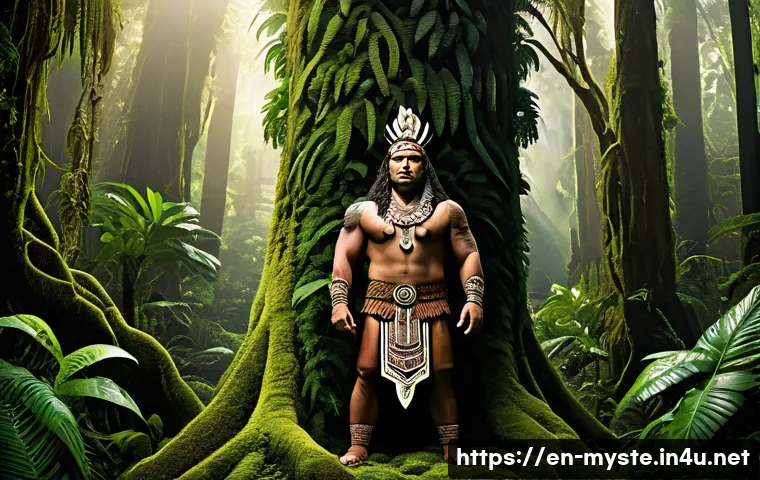
For example, Tāne Mahuta, the god of forests and birds, plays a vital role in many tales, symbolizing growth, life, and the environment. These divine entities guide characters, influence outcomes, and offer moral frameworks that reflect Maori values such as respect for nature and community.
Encountering atua in stories isn’t just about mythical entertainment; it’s a spiritual dialogue that continues to resonate in modern Maori culture.
The Interplay of Nature and Mythology
Maori legends frequently blur the lines between the physical world and the supernatural, creating a rich tapestry where mountains, rivers, and animals are alive with spiritual significance.
This relationship explains why many natural landmarks in New Zealand hold sacred status, as they are often personified or linked to ancestral stories.
The myth of Māui fishing up the North Island, for instance, transforms geography into living history, making the land itself a storyteller. This connection encourages people to see their environment as a living entity deserving care and reverence.
It’s fascinating how these stories still shape environmental attitudes today, reminding us that mythology and ecology are deeply intertwined.
Symbolism and Rituals Embedded in Storytelling
Beyond the narratives, Maori legends carry symbolic meanings and rituals that enrich their spiritual depth. Ceremonies like the pōwhiri (welcome ceremony) and haka (war dance) often reference mythological themes, linking present-day practices with ancestral wisdom.
Symbols such as the koru (spiral) reflect growth and renewal, echoing motifs found in legends. These elements turn storytelling into a communal experience, where the past is honored and cultural identity is reinforced.
When I first attended a marae (meeting ground) ceremony, I was struck by how the stories told weren’t just history lessons but living expressions of identity and continuity.
Unraveling the Origins of Maori Creation Stories
Exploring the Cosmic Beginnings in Maori Beliefs
Maori creation stories open with a cosmic void called Te Kore, a realm of potential and nothingness, from which the world emerges. This concept is quite profound, illustrating a worldview that begins with emptiness and unfolds into life through a series of divine actions.
The separation of Ranginui (sky father) and Papatūānuku (earth mother) is a central theme, symbolizing the birth of the physical world and the interplay between light and darkness.
What strikes me is how these narratives don’t just explain origins but also emphasize balance and the interconnectedness of all things—a perspective that feels surprisingly modern and ecological.
Genealogies as a Way to Preserve History and Identity
Genealogical stories, or whakapapa, serve as crucial anchors in Maori mythology, linking people to their ancestors and the natural world. These lineages are more than family trees; they are frameworks for understanding one’s place in the universe and obligations to community and environment.
Many legends double as whakapapa, blending myth with history to pass down essential knowledge. When I looked into whakapapa, I realized it’s a living document, constantly evolving yet rooted in tradition, helping Maori maintain a strong sense of identity through centuries of change.
Challenges in Interpreting Oral Traditions Today
Since Maori myths were primarily passed down orally, variations and adaptations are common, which can complicate efforts to pinpoint “original” versions.
This fluidity is both a strength and a challenge: it allows the stories to remain relevant across generations but can lead to conflicting interpretations.
Scholars and Maori elders sometimes debate how to honor tradition while embracing change. From my perspective, this dynamic nature highlights the stories’ living quality, inviting each generation to engage with them anew rather than treating them as static relics.
The Role of Legendary Heroes and Tricksters in Maori Culture
How Māui’s Adventures Reflect Human Nature
Māui, the trickster hero known across Polynesia, embodies qualities like cleverness, courage, and occasional recklessness, which resonate deeply in Maori stories.
His exploits—such as slowing down the sun or fishing up islands—serve as metaphors for human ingenuity and the desire to shape the world. What’s interesting is how Māui’s successes are often balanced by his flaws, reminding listeners that even heroes have limits.
In conversations with locals, I found that Māui’s tales still inspire creativity and resilience, showing that these ancient characters remain relevant role models.
The Significance of Heroic Journeys in Social Cohesion
Heroic legends often involve quests or challenges that reflect communal values like bravery, loyalty, and wisdom. These stories provide models for behavior and reinforce social bonds by highlighting the importance of working together and respecting leadership.
The hero’s journey is not just personal but collective, with the community’s well-being intertwined with the protagonist’s fate. When attending a storytelling session, I noticed how these narratives encourage listeners to see themselves as part of a larger whole, fostering unity and shared purpose.
Tricksters as Agents of Change and Reflection
Unlike straightforward heroes, tricksters in Maori mythology disrupt norms and provoke thought through humor and cunning. Characters like Māui or the mischievous Tūwharetoa challenge authority and question established ideas, often leading to important lessons or transformations.
This role is crucial because it creates space for questioning and adapting traditions without disrespect. From my experience, embracing the trickster spirit can be a powerful way to stay connected to cultural roots while navigating modern life’s complexities.
Interpreting the Symbolic Landscapes of Maori Legends
The Sacredness of Mountains, Rivers, and Forests
In Maori culture, natural features are not just backdrops but active participants in stories, embodying ancestors or spiritual forces. Mountains like Mount Taranaki and rivers like the Waikato have unique legends that explain their origins and significance.
These places are often tapu (sacred), requiring respect and care from visitors. I remember visiting a sacred site where locals shared stories about its guardian spirit, which made me realize how geography and spirituality are inseparable in Maori thought.
How Myth Transforms Geography into Living Memory
By linking landmarks to mythological events, Maori legends turn physical spaces into repositories of cultural memory. This process means that landscapes hold stories of creation, conflict, and reconciliation, making them educational and emotional touchstones.
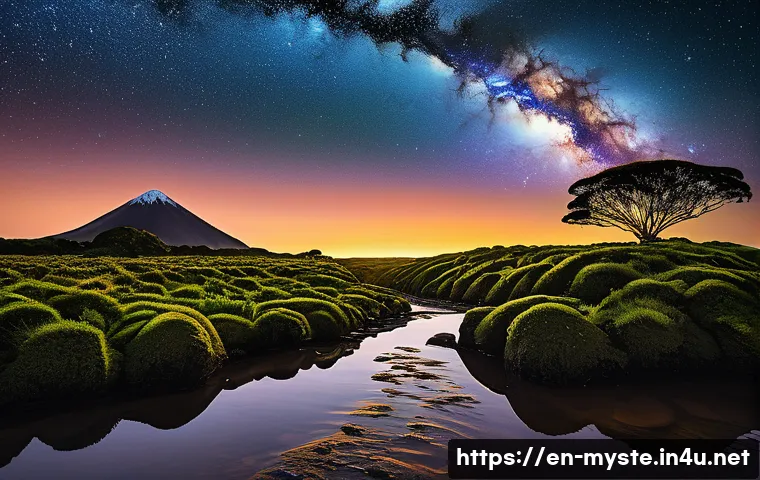
For example, the story of the waka (canoe) migrations connects specific coastlines and islands to ancestral voyages. When I explored these sites, I felt a tangible connection to history that no textbook could convey, underscoring the power of storytelling in preserving heritage.
Modern Implications for Conservation and Identity
Today, the symbolic importance of landscapes influences conservation efforts, with Maori communities advocating for environmental stewardship rooted in traditional values.
Recognizing a place’s mythological significance often leads to stronger protections and collaborative management. This approach not only preserves biodiversity but also maintains cultural integrity.
From what I’ve observed, blending ancient wisdom with contemporary environmental science creates a compelling model for sustainable living that honors both land and people.
Complex Themes of Morality and Justice in Maori Tales
Lessons Embedded in Mythical Conflicts
Many Maori legends revolve around moral dilemmas, where characters face choices that test values like honesty, courage, and respect. These stories don’t present morality as black and white but explore nuances and consequences, making them relatable and instructive.
For instance, tales of betrayal or forgiveness reveal the importance of harmony within communities. I found that these lessons are not just historical but actively shape social interactions in Maori society today, emphasizing restorative justice over punishment.
The Role of Whānau and Community in Ethical Teachings
Ethical behavior is often framed in terms of responsibilities to whānau (family) and hapū (sub-tribe), highlighting the collective nature of Maori life.
Legends stress that individual actions affect the whole group, reinforcing accountability and mutual care. This perspective contrasts with more individualistic moral systems, offering valuable insights into alternative ways of thinking about justice.
When engaging with Maori culture, I noticed how deeply these communal ethics influence daily decisions and relationships.
How Myth Encourages Reflection on Human Nature
By portraying gods and humans alike with strengths and flaws, Maori myths invite listeners to reflect on their own behavior and growth. The stories act as mirrors, encouraging self-awareness and humility.
This reflective quality makes the legends timeless, as each generation finds new meaning and guidance within them. Personally, I’ve found that revisiting these tales offers fresh perspectives on challenges, reminding me that imperfection is part of the human journey.
Preserving Maori Legends in a Changing World
The Transition from Oral to Written Tradition
The shift from oral storytelling to written records has been both a preservation tool and a source of tension. While documentation helps safeguard legends, it can sometimes strip away the performative and communal aspects that give them life.
I’ve noticed that many Maori storytellers emphasize the importance of live narration, where voice, gesture, and audience interaction enrich the experience.
Balancing modern recording with traditional practices remains an ongoing challenge in cultural preservation.
The Role of Education and Media in Cultural Transmission
Schools, museums, and media platforms now play vital roles in sharing Maori legends with wider audiences. These efforts raise awareness and foster appreciation beyond indigenous communities.
However, ensuring authenticity and respect requires close collaboration with Maori experts and elders. From my viewpoint, responsible storytelling in public forums helps prevent cultural appropriation and promotes genuine understanding, making these ancient myths accessible and relevant for future generations.
Community Initiatives Revitalizing Maori Storytelling
Across New Zealand, grassroots movements are revitalizing Maori oral traditions through festivals, workshops, and digital projects. These initiatives empower younger generations to learn and share their heritage creatively.
I had the chance to attend a storytelling festival where emerging Maori artists blended traditional tales with modern themes, demonstrating the legends’ adaptability.
Such vibrant community engagement highlights that Maori mythology is not just a relic of the past but a living, evolving source of identity and inspiration.
| Legendary Figure | Role | Symbolism | Modern Relevance |
|---|---|---|---|
| Tāne Mahuta | God of forests and birds | Growth, life, nature | Environmental stewardship |
| Māui | Trickster hero | Ingenuity, courage, human flaws | Creativity and resilience |
| Ranginui and Papatūānuku | Sky father and earth mother | Creation, balance, interconnectedness | Ecological awareness |
| Whakapapa | Genealogical framework | Identity, ancestry, responsibility | Cultural continuity |
| Natural landmarks | Spiritual entities | Living memory, sacredness | Conservation efforts |
Conclusion
Maori myths offer a profound spiritual connection that continues to shape cultural identity and environmental values. These stories are more than ancient tales; they are living traditions that inspire respect, reflection, and community cohesion. Understanding the depth of these legends enriches our appreciation for the Maori worldview and its relevance in today’s world.
Useful Information to Know
1. Maori legends often intertwine spirituality with nature, making the environment a central character in their stories.
2. The concept of whakapapa goes beyond genealogy, linking people to ancestors and the land in meaningful ways.
3. Trickster figures like Māui embody human strengths and weaknesses, offering lessons that remain relevant.
4. Sacred landmarks hold cultural significance that supports both heritage preservation and environmental conservation.
5. Community-driven efforts and modern media play crucial roles in keeping Maori storytelling vibrant and accessible.
Key Takeaways
Maori mythology is a dynamic and evolving tradition that balances preservation with adaptation. Its rich symbolism and moral themes foster a deep sense of identity and communal responsibility. Recognizing the spiritual significance of the natural world encourages sustainable practices rooted in cultural respect. Embracing both oral and modern storytelling methods ensures these legends continue to educate and inspire future generations.
Frequently Asked Questions (FAQ) 📖
Q: What are some of the most famous Maori legends, and why do they remain important today?
A: Some of the most well-known Maori legends include the stories of Maui, the demigod who fished up the North Island, and the tale of Hinemoa and Tutanekai, a love story that speaks to devotion and courage.
These legends remain important because they’re more than just stories—they’re a living connection to Maori identity, values, and spirituality. They teach lessons about respect for nature, community, and bravery that continue to resonate.
Personally, when I first heard these tales, I was struck by how they blend adventure with deep cultural wisdom, making them timeless and relevant even now.
Q: Why do some Maori legends seem mysterious or puzzling to outsiders?
A: Many Maori legends contain symbolic language, spiritual elements, and references to natural phenomena that can seem cryptic without understanding the cultural context.
For example, certain creatures or events in the stories might represent broader concepts like life cycles or ancestral connections. As someone who’s explored these myths, I noticed that the mystery often invites deeper reflection rather than straightforward explanations.
It’s like peeling back layers to appreciate the worldview of the Maori, which values oral tradition and a close relationship with the environment.
Q: How can learning about Maori legends enhance one’s understanding of New Zealand’s culture?
A: Diving into Maori legends offers unique insights into New Zealand’s history and the values that shape its society. These stories highlight themes like respect for the land, the importance of family, and the spiritual connection between people and nature—ideas central to Maori culture and increasingly embraced by the wider population.
From my experience, engaging with these legends not only enriches your appreciation of New Zealand’s heritage but also fosters a greater sense of empathy and respect for indigenous perspectives, which is essential in today’s multicultural world.