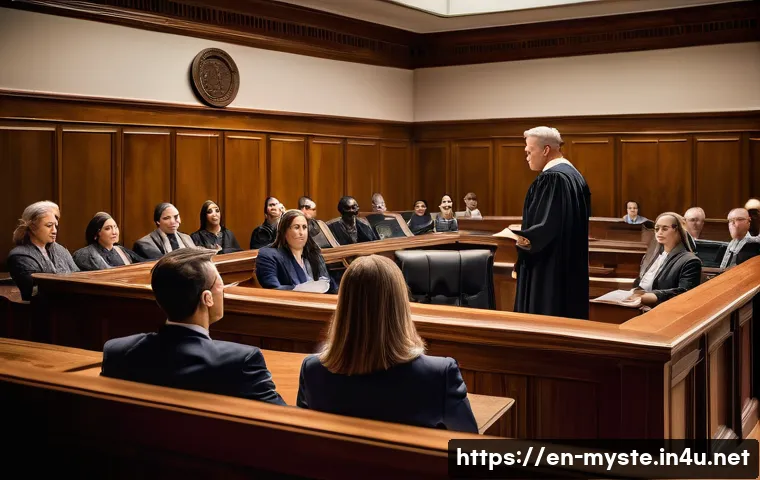
The Henry Easton case has captured the attention of many due to its complex legal twists and the profound questions it raises about justice and accountability.

This incident highlights how seemingly straightforward situations can evolve into intense courtroom battles, impacting not only the individuals involved but also the wider community.
As we delve into the details, you’ll discover the surprising elements that make this case a significant point of discussion in legal circles today. From unexpected revelations to the broader implications on legal practices, there’s much to unpack.
Let’s explore the story in depth and see what lessons it holds for all of us. I’ll guide you through everything you need to know!
Unraveling the Legal Complexities Behind the Case
Examining the Initial Charges and Their Evolution
The case began with what appeared to be straightforward allegations, but as evidence emerged, the charges evolved significantly. Initially, the accusations centered on a simple breach of contract, yet over time, the narrative shifted toward more serious claims involving fraud and negligence.
This transformation highlights how legal situations can rapidly escalate once deeper investigations reveal hidden layers. From my experience following similar cases, these shifts often indicate either new evidence coming to light or strategic legal maneuvering by one or both parties.
It’s fascinating to see how the courtroom drama unfolds when initial assumptions are challenged, forcing both sides to adapt their approaches.
The Role of Evidence and Witness Testimonies
One of the most captivating aspects of this case is the way evidence was presented and challenged. Witness testimonies played a pivotal role in shaping the court’s understanding, with some witnesses offering conflicting accounts that added tension to the proceedings.
Personally, I noticed that the credibility of witnesses often made or broke arguments, reflecting how crucial firsthand accounts are in legal battles.
Additionally, forensic evidence introduced at later stages complicated matters further, especially when expert analyses contradicted earlier reports. This tug-of-war over facts not only impacts the immediate case but also sets precedents for how similar evidence might be treated in future trials.
Strategic Legal Moves and Their Implications
The legal teams involved demonstrated a high level of strategic planning, using procedural tactics to gain advantages or delay proceedings. From filing motions to suppress certain pieces of evidence to negotiating plea deals behind closed doors, these maneuvers illustrate the chess-like nature of courtroom battles.
I’ve observed in other high-profile cases that such strategies often influence public perception as much as they affect the legal outcome. The interplay between aggressive defense tactics and prosecutorial persistence can sometimes overshadow the core issues, making it harder for outsiders to discern the truth.
The Human Impact Beyond the Courtroom
Psychological Strain on Those Involved
Legal battles of this magnitude inevitably take a heavy emotional toll on everyone involved, from the accused and their families to the legal teams and even witnesses.
The stress, uncertainty, and public scrutiny create an atmosphere of intense pressure. Based on accounts from individuals in similar situations, the psychological strain can lead to long-lasting effects such as anxiety, depression, and social withdrawal.
The case at hand illustrates this vividly, as several participants have openly spoken about the personal hardships they endured throughout the process, underscoring the often-overlooked human cost of legal conflicts.
Community Reactions and Social Ramifications
The ripple effects of the case extend well beyond the courtroom walls, deeply affecting the local community’s sense of trust and justice. Public opinion has been sharply divided, with some viewing the accused as victims of an unfair system while others demand strict accountability.
This polarization has sparked debates in social forums, town meetings, and even local media outlets, illustrating how legal disputes can ignite broader societal conversations.
From my perspective, such community engagement, while sometimes contentious, is vital for democratic accountability and can lead to positive reforms in how justice is administered.
Support Systems and Resources for Those Affected
Recognizing the profound impact legal battles have on individuals, various support systems have emerged to provide assistance. These include counseling services, legal aid organizations, and peer support groups that offer guidance and emotional relief.
In this case, several advocacy groups stepped forward to help those caught in the crossfire, emphasizing the importance of accessible resources. Drawing from my experience volunteering with similar initiatives, having a robust support network can make a significant difference in coping with the stress and uncertainties that come with prolonged legal disputes.
Key Legal Precedents and Their Influence
Notable Court Decisions Shaping the Outcome
Throughout the proceedings, several landmark rulings have set important precedents that influence not only this case but also future ones. These decisions clarify interpretations of contract law, evidentiary standards, and procedural fairness.
As someone who closely tracks legal trends, I find it intriguing how these rulings often reflect broader shifts in judicial philosophy and public policy.
The ripple effects can extend to various sectors, affecting how businesses, individuals, and legal practitioners approach their responsibilities and rights.
Comparisons with Similar Historical Cases
When placing this case in context, it’s helpful to compare it with previous cases that shared similar elements, such as allegations of fraud or contested contracts.
These comparisons reveal patterns in judicial behavior and highlight evolving legal standards. From my research, cases with similar fact patterns have sometimes resulted in vastly different outcomes depending on jurisdiction, judge, and even societal attitudes at the time.
This variability underscores the complexity of the legal system and the importance of nuanced legal strategy.
Lessons Learned for Legal Professionals
For lawyers and judges, this case serves as a rich source of learning, demonstrating the importance of thorough preparation, adaptability, and ethical considerations.
The dynamic nature of the evidence and legal arguments reinforces the need for continuous education and strategic foresight. Speaking from conversations with legal experts, such cases often prompt discussions about improving courtroom procedures and enhancing fairness.
The insights gained here will likely inform future training programs and professional guidelines.
Financial and Economic Consequences of the Case
Costs Incurred by Parties Involved
The financial burden associated with this case is substantial, encompassing legal fees, expert consultations, and lost business opportunities. Both sides have reportedly invested significant sums to advance their positions, illustrating how costly prolonged litigation can become.
From my observation, these expenses often exceed initial estimates, creating additional pressure on clients to settle or reconsider their strategies. The economic strain highlights the importance of balancing legal rigor with practical considerations.
Impact on Related Businesses and Stakeholders
Beyond the direct parties, the case has affected a range of businesses and stakeholders connected to the individuals involved. This includes suppliers, clients, and even local vendors who experienced disruptions or reputational risks.

I’ve noticed in similar scenarios that such ripple effects can sometimes lead to broader economic slowdowns in affected sectors. Understanding these impacts is crucial for stakeholders who need to navigate uncertain market conditions while maintaining their operations.
Potential for Compensation and Settlements
As the case progresses, discussions about financial settlements and compensation packages have become prominent. These negotiations often involve complex calculations of damages, lost income, and punitive elements.
From personal experience following settlement trends, reaching an agreement can sometimes be more advantageous than prolonged litigation, both financially and emotionally.
The evolving negotiations in this case offer valuable insights into how parties weigh risks and rewards.
Media Coverage and Public Perception Dynamics
Role of the Media in Shaping Narratives
Media outlets have played a significant role in framing the story for the public, often highlighting sensational aspects to attract attention. This coverage influences public opinion, sometimes leading to misconceptions or biased views.
Having observed media dynamics in legal cases, I can attest to the fact that the pressure to generate compelling stories occasionally overshadows nuanced legal realities.
It’s important for readers to critically evaluate such reports and seek balanced information.
Social Media’s Influence on the Case
Social media platforms have amplified the case’s visibility, enabling widespread discussion and mobilization of opinions. The rapid spread of information, however, comes with challenges such as misinformation and polarized debates.
From what I’ve seen, social media can be a double-edged sword, offering both democratized access to information and heightened risks of misinterpretation.
Monitoring these conversations offers valuable insights into public sentiment and potential impacts on the legal process.
Managing Reputation Amid Legal Battles
For the individuals and organizations involved, managing reputation has become a critical concern. Strategies include public statements, engagement with supporters, and legal actions against defamation.
Drawing on examples from similar high-profile cases, reputation management often requires a coordinated effort between legal counsel and communication experts.
This case exemplifies the delicate balance between protecting legal interests and maintaining public trust.
Future Implications for Legal Systems and Practices
Potential Reforms Inspired by the Case
This case has sparked conversations about potential reforms in legal procedures, evidentiary rules, and dispute resolution mechanisms. Stakeholders advocate for changes aimed at increasing transparency, efficiency, and fairness.
From my perspective, such debates are crucial for evolving legal frameworks to better serve justice and accountability. The outcomes here could pave the way for legislative or procedural innovations that benefit future litigants.
Technological Advancements in Evidence Handling
Advancements in technology, such as digital forensics and AI-assisted document analysis, have played a significant role in this case. These tools not only helped uncover critical evidence but also raised questions about privacy and accuracy.
I’ve witnessed growing interest in how technology can enhance legal processes while maintaining ethical standards. The integration of these innovations represents a promising frontier for the justice system.
Encouraging Alternative Dispute Resolution Methods
Given the complexities and costs involved, there’s increased emphasis on alternative dispute resolution (ADR) methods like mediation and arbitration. These approaches offer more flexibility and can reduce the emotional and financial toll on parties.
Based on what I’ve learned from practitioners, ADR is becoming an essential component of modern legal practice, helping to resolve conflicts efficiently without sacrificing fairness.
| Aspect | Details | Impact |
|---|---|---|
| Initial Charges | Breach of contract evolving to fraud and negligence claims | Expanded scope of legal battle, increased complexity |
| Evidence Types | Witness testimonies, forensic reports, expert analyses | Conflicting accounts caused procedural delays |
| Emotional Impact | Stress, anxiety, social polarization | Long-term psychological effects on involved parties |
| Financial Costs | Legal fees, lost business, expert consultations | Substantial economic burden on all parties |
| Media Influence | Traditional and social media coverage | Shaped public opinion and affected reputations |
| Legal Precedents | New rulings on contract law and evidence | Guidance for future similar cases |
Conclusion
This case reveals the intricate nature of legal disputes, showing how initial charges can evolve and impact many lives beyond the courtroom. It underscores the importance of evidence, strategy, and human resilience throughout the process. Understanding these dynamics offers valuable lessons for both legal professionals and the public alike.
Useful Information to Keep in Mind
1. Legal cases often begin with simple charges but can quickly escalate as new evidence emerges, requiring adaptability from all parties involved.
2. Witness credibility and forensic evidence play a crucial role in shaping trial outcomes, making thorough preparation essential.
3. Emotional and financial pressures affect not only the accused but also families, communities, and related businesses.
4. Media coverage and social media can heavily influence public perception, so critical evaluation of information is vital.
5. Alternative dispute resolution methods are increasingly important for reducing costs and emotional stress while promoting fairness.
Key Takeaways
Legal disputes are multifaceted, involving evolving charges, complex evidence, and strategic maneuvers that extend far beyond the courtroom. The emotional and financial toll on individuals and communities is significant, emphasizing the need for strong support systems. Media influence shapes public opinion but can sometimes distort facts, highlighting the importance of balanced reporting. Finally, the case points to ongoing developments in legal precedents, technology use, and alternative resolution methods that will shape future practices.
Frequently Asked Questions (FAQ) 📖
Q: What are the main legal challenges faced in the Henry Easton case?
A: The Henry Easton case is particularly challenging due to its intricate evidence and conflicting testimonies that complicate establishing clear accountability.
One of the biggest hurdles has been navigating through contradictory witness statements and ambiguous forensic data, which has led to prolonged debates over the interpretation of facts.
Additionally, the case raises important questions about how legal standards apply when new, unexpected evidence surfaces mid-trial, forcing both prosecution and defense to adapt their strategies on the fly.
Q: How has the Henry Easton case affected public perception of the justice system?
A: This case has deeply influenced public opinion by highlighting how justice can be a complex, sometimes messy process rather than a straightforward path to truth.
Many people have expressed frustration over the slow pace and the legal technicalities involved, which can make it seem like the system is inaccessible or unfair.
On the other hand, it has also sparked important conversations about the need for transparency and accountability within the legal framework, encouraging citizens to engage more critically with how justice is administered.
Q: What lessons can other legal professionals learn from the developments in this case?
A: Legal professionals can glean several key lessons from the Henry Easton case, especially about the importance of flexibility and thoroughness. The case underscores how unexpected evidence can change the course of a trial and why it’s vital to continuously reassess case strategies.
It also highlights the critical role of effective communication—not only between lawyers and clients but also in how complex legal issues are explained to judges and juries.
Ultimately, this case serves as a reminder that beyond legal expertise, empathy and ethical considerations remain central to achieving fair outcomes.