
The tragic drowning of Todd Martin sent shockwaves through his community, raising urgent questions about water safety and emergency response. Despite the increasing popularity of water activities, incidents like these remind us how quickly fun can turn into disaster.
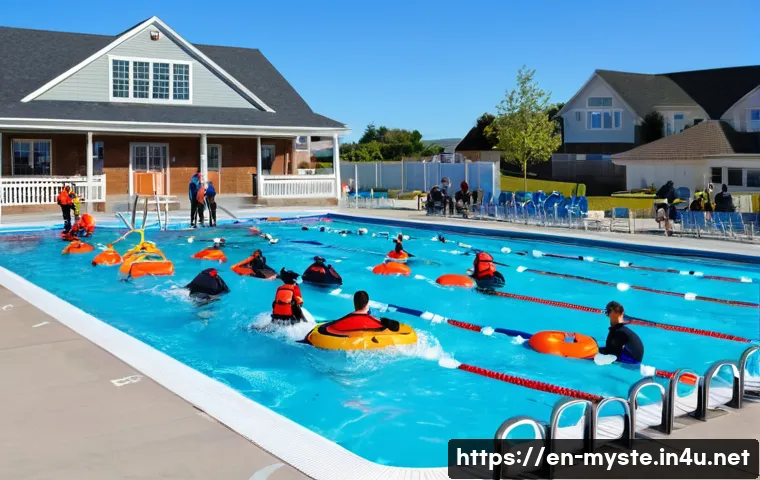
Understanding the circumstances surrounding Todd’s accident sheds light on crucial safety measures we often overlook. Personal accounts and expert insights reveal what went wrong and how similar tragedies might be prevented.
If you’ve ever wondered about the risks and safety protocols related to drowning incidents, this story offers valuable lessons. Let’s dive deeper and uncover the facts together—I’ll guide you through everything you need to know!
Recognizing Hidden Dangers in Recreational Waters
Unseen Currents and Their Impact on Swimmers
Many people underestimate how deceptively calm water can be. Underneath a seemingly peaceful lake or river, strong currents can lurk, pulling swimmers away from safety in seconds.
I’ve personally witnessed swimmers getting caught off guard by sudden undertows or rip currents, even in shallow areas. These currents aren’t always visible, which makes them especially dangerous for those not familiar with local water conditions.
Understanding that water movement can be unpredictable is a critical step in preventing accidents.
Environmental Factors That Heighten Risk
Weather changes, water temperature, and visibility all influence water safety. Cooler water can cause muscle cramps or hypothermia faster than people expect, while murky water hides obstacles like rocks or debris.
In Todd’s case, the water temperature and visibility played a role in how quickly the situation escalated. I’ve learned from experts that staying alert to these environmental cues and adjusting plans accordingly can make a big difference in preventing emergencies.
The Role of Location and Time of Day
Certain spots, especially near dams, waterfalls, or narrow channels, are notorious for dangerous water conditions. Additionally, early mornings or late evenings can reduce visibility and make it harder for rescuers to spot someone in distress.
From my experience volunteering at local water safety programs, I’ve seen how choosing the right time and place for water activities significantly lowers the risk of accidents.
Common Mistakes Made by Swimmers and Bystanders
Overestimating Swimming Ability
It’s tempting to believe you can handle any water challenge, especially when surrounded by confident swimmers. However, many drowning incidents happen because people overestimate their endurance or underestimate the difficulty of conditions.
I recall speaking with lifeguards who emphasize that even strong swimmers need to respect their limits and avoid pushing too far beyond their comfort zone.
Ignoring Safety Gear and Precautions
Life jackets and flotation devices aren’t just for kids—they’re lifesavers for adults too. Skipping these safety essentials or failing to check equipment can turn a minor slip into a fatal event.
From what I’ve observed, the presence of properly worn safety gear often buys critical extra time during rescues, which can be the difference between life and death.
Delayed Emergency Response
Sometimes, hesitation or panic causes delays in calling for help or starting rescue efforts. In Todd’s tragedy, the response time was crucial. I’ve heard from emergency responders that immediate action, even by untrained bystanders, can drastically improve survival rates.
Quick thinking and knowing basic rescue techniques are vital components of water safety.
Effective Emergency Response Strategies
Immediate Actions to Take When Someone Is in Distress
If you spot someone struggling in the water, the first rule is to avoid putting yourself in danger. Calling for professional help is paramount, but if safe, throwing a flotation device or using a long object to reach the person can prevent the need for a risky rescue attempt.
In my own experience coaching first aid, teaching people these straightforward steps has empowered many to act confidently during emergencies.
Importance of CPR and First Aid Training
Knowing how to perform CPR and basic first aid can save lives after a drowning incident. I’ve personally taken courses that taught me how crucial it is to maintain airway and breathing support until medical professionals arrive.
Communities with widespread CPR training see significantly higher survival rates, highlighting the value of these skills.
Role of Technology in Enhancing Rescue Efforts
Advances like waterproof communication devices, drone surveillance, and emergency alert apps are transforming water rescue operations. From local rescue teams I’ve connected with, these tools are making it faster and safer to locate and assist victims.
Staying updated with such technology and encouraging its use can be a game-changer in emergency scenarios.
Water Safety Education and Its Lifesaving Potential
Teaching Kids and Adults About Risks
Water safety education is often focused on children, but adults need it just as much. I’ve volunteered in programs where adult learners were surprised by how much they didn’t know about water hazards.
Comprehensive education includes understanding currents, recognizing distress signals, and practicing safe swimming habits, which together build a culture of safety.
Community Programs and Their Impact
Local organizations offering swimming lessons, safety workshops, and rescue training have a tangible impact on reducing drowning incidents. In my area, such programs have fostered a stronger awareness and preparedness among residents, which has translated into fewer emergencies.
Supporting and participating in these initiatives benefits everyone.
Continuous Learning and Refreshers
Safety isn’t a one-time lesson—it requires ongoing practice and updates. From my own experience, skills like CPR and rescue techniques fade without regular refreshers.
Encouraging communities to keep these skills sharp through annual trainings or drills can maintain a high level of readiness.
Understanding Physical and Psychological Responses in Water Emergencies
How the Body Reacts to Cold Water Immersion
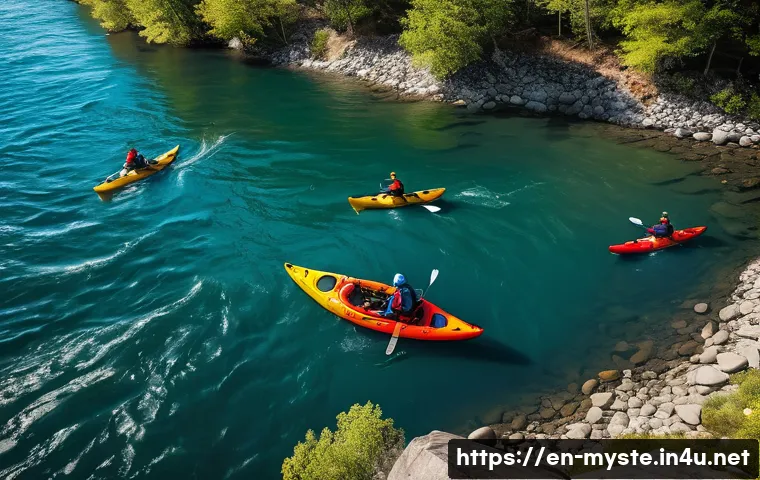
Cold water shock can cause involuntary gasping, hyperventilation, and loss of muscle control, which often precede drowning. I’ve read numerous survivor stories where initial panic was the biggest hurdle to survival.
Knowing this helps explain why quick and calm responses are crucial in cold water incidents.
The Psychology of Panic and Its Consequences
Panic impairs judgment and physical ability, escalating the danger. In interviews with survivors and rescuers, the common thread is that staying calm, focusing on controlled breathing, and signaling for help are vital survival strategies.
This psychological insight is often overlooked but makes a huge difference.
Training to Overcome Panic in Emergencies
Exposure to controlled stress scenarios through training can help people manage fear in real emergencies. I’ve participated in water safety drills where simulated distress helped build confidence and reduced panic responses.
This kind of mental preparation is as important as physical readiness.
Key Safety Equipment and Their Proper Use
Choosing the Right Life Jacket for Your Activity
Life jackets come in various types, each suited for different water activities and swimmer abilities. I once helped a family select life jackets for a river trip, and learning the distinctions between Type I, II, and III jackets was eye-opening.
Proper fit and certification are non-negotiable for effective protection.
Additional Safety Tools Worth Having
Beyond life jackets, items like rescue throw bags, whistles, and waterproof first aid kits enhance safety. From conversations with kayakers and boaters, these tools often provide the critical edge needed in emergencies.
Carrying and knowing how to use them is part of responsible water activity planning.
Maintenance and Inspection of Safety Gear
Even the best equipment fails if not maintained properly. I’ve seen life jackets with broken straps or expired certifications that made them unsafe. Regular inspections, cleaning, and replacement of worn-out gear ensure that your safety tools perform when needed most.
Preventive Measures and Best Practices for Water Activities
Pre-Activity Planning and Risk Assessment
Before heading out, checking weather forecasts, water conditions, and local advisories can prevent many accidents. I always recommend creating a plan that includes emergency contacts and clear communication among participants.
This approach minimizes surprises and prepares everyone for the unexpected.
Buddy System and Constant Supervision
Never swimming alone is a fundamental rule. Having a buddy who watches your back and vice versa can speed up rescue if trouble arises. From lifeguard tips I’ve learned, vigilance and mutual accountability are the cornerstones of safe water fun.
Setting Boundaries and Knowing When to Exit
Recognizing signs of fatigue, changing weather, or worsening water conditions should trigger an immediate exit. I’ve noticed that stubbornness or overconfidence often leads to dangerous delays.
Prioritizing safety over stubbornness is a mindset that can save lives.
| Safety Factor | Common Issues | Preventive Actions |
|---|---|---|
| Currents and Water Movement | Invisible strong currents, undertows | Learn local water conditions, avoid risky spots |
| Environmental Conditions | Cold water, low visibility, debris | Check weather, wear appropriate gear |
| Safety Gear | Improper use, lack of life jackets | Use certified, well-fitted life jackets |
| Emergency Response | Delayed help, panic | Call for help immediately, learn rescue skills |
| Education and Training | Lack of knowledge, poor preparedness | Participate in safety courses, refresh skills regularly |
Conclusion
Water safety is a shared responsibility that requires awareness, preparation, and respect for the environment. By understanding hidden dangers and practicing effective safety measures, we can enjoy recreational waters with greater confidence and peace of mind. Remember, staying informed and cautious makes all the difference in preventing accidents and saving lives.
Useful Information to Keep in Mind
1. Always check local water conditions and weather forecasts before any water activity to avoid unexpected hazards.
2. Wearing a properly fitted life jacket significantly increases your chances of survival in emergencies.
3. Learn and refresh CPR and basic first aid skills regularly to be ready for any water-related incident.
4. Use the buddy system—never swim alone and keep an eye on each other at all times.
5. Recognize your limits and be prepared to exit the water if conditions change or fatigue sets in.
Key Takeaways for Water Safety
Understanding the invisible risks such as currents and environmental changes is essential for safe water activities. Proper use and maintenance of safety gear, combined with timely emergency responses, can prevent tragedies. Continuous education and mental preparedness reduce panic and improve survival chances. Ultimately, respecting the water and planning ahead are the best ways to protect yourself and others during recreational water use.
Frequently Asked Questions (FAQ) 📖
Q: What are the most common causes of drowning incidents like Todd Martin’s?
A: Drowning often happens due to a mix of factors such as lack of swimming skills, unexpected strong currents, alcohol consumption, and inadequate supervision.
In Todd’s case, the water conditions combined with delayed emergency response played a critical role. Many people underestimate how quickly conditions can change, turning a fun day into a dangerous situation.
It’s essential to always assess the environment and never swim alone, especially in natural water bodies.
Q: How can communities improve emergency response to prevent tragedies like this?
A: Timely and well-coordinated emergency response is crucial. Communities can enhance safety by training local first responders in water rescue techniques, installing more visible warning signs near hazardous areas, and ensuring quick access to lifesaving equipment like flotation devices and emergency phones.
From personal experience, having clearly marked rescue points and community awareness programs can make a huge difference in saving lives during water emergencies.
Q: What practical safety measures should individuals take when engaging in water activities?
A: First and foremost, always wear a life jacket when participating in water sports or swimming in open water. Knowing how to swim confidently and learning basic CPR can be lifesaving skills.
Avoid alcohol before and during water activities, and never swim alone. Pay attention to weather forecasts and water conditions. I’ve seen firsthand how simple habits like checking for warning signs and keeping a close eye on children can prevent accidents before they happen.