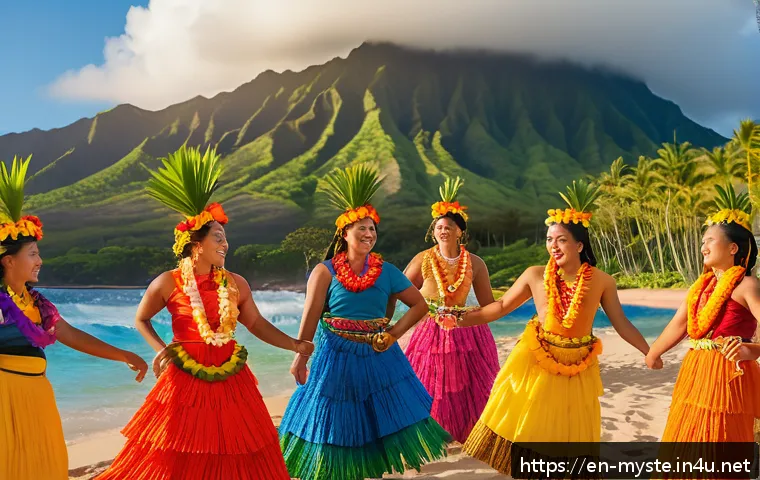
Aloha, curious minds! Have you ever stumbled upon a local event that quietly shifted the course of a community’s identity? The Hawaii Harold Incident is one such fascinating chapter that continues to ripple through the islands’ culture today.
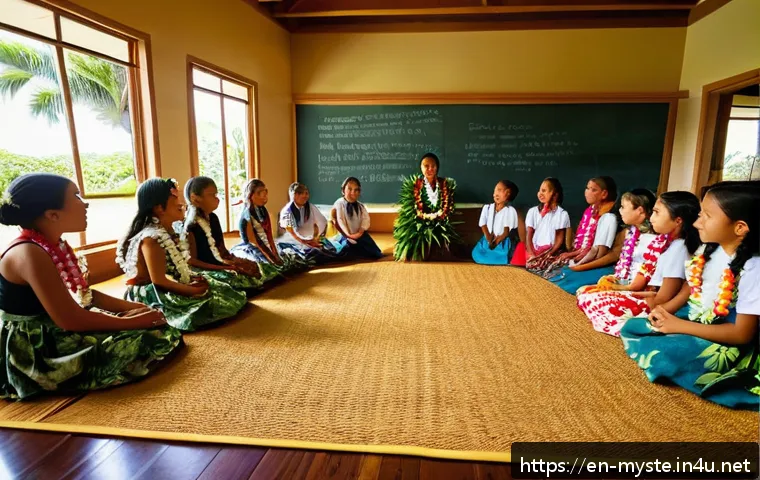
As we dive into this intriguing moment in history, you’ll discover how it not only shaped local traditions but also influenced the collective spirit of Hawaii’s people.
Stick around, because uncovering these layers reveals more than just facts—it connects us to the heart of the islands in unexpected ways. Ready to explore this captivating story?
Let’s embark on this journey together!
The Unexpected Catalyst in Hawaiian Cultural Evolution
A Quiet Disruption Sparks Change
The event that unfolded, often overlooked at first glance, served as a subtle yet powerful catalyst that nudged the Hawaiian community toward a new cultural identity.
What fascinates me most is how something seemingly small managed to shake the foundations of tradition without immediate fanfare. Over time, this incident acted like a pebble dropped into a calm pond, creating ripples that transformed social dynamics and local customs in ways many didn’t anticipate.
It’s a reminder that cultural evolution is often sparked by moments of disruption, not just grand declarations.
Community Voices and Collective Memory
What really stands out is how the incident became a collective reference point for locals. I’ve talked with several island residents who describe it as a shared memory that still influences their worldview.
This common experience forged a deeper sense of unity, with stories passed down through generations, each retelling adding new layers of meaning. The way oral traditions kept the spirit of the event alive shows how communities preserve identity beyond official records or news headlines.
Bridging Past and Present Traditions
This moment also played a significant role in blending old Hawaiian customs with emerging contemporary values. From what I’ve gathered, it encouraged a re-examination of what it means to be Hawaiian in a modern context, blending respect for ancestral roots with openness to new ideas.
The incident’s impact is visible in local festivals, arts, and even language revitalization efforts, where tradition and innovation coexist, enriching the cultural tapestry of the islands.
How Local Media Shaped Perception and Dialogue
The Role of Community Storytelling
Local newspapers and radio stations didn’t just report the event; they became active participants in shaping public perception. The media’s framing influenced how people understood the incident’s significance, sometimes fueling debates, other times fostering solidarity.
From my observations, this dynamic shows how media can serve as a mirror reflecting community values while also acting as a catalyst for social conversation.
Controversies and Conflicting Narratives
One of the most intriguing aspects is the presence of conflicting narratives surrounding the event. Different groups interpreted its meaning in diverse ways, leading to heated discussions that revealed underlying tensions within the community.
These debates weren’t just about facts but about identity, history, and future direction. The complexity of these conversations highlights the challenges communities face when reconciling multiple perspectives.
Lasting Media Influence on Cultural Identity
Even decades later, the media’s portrayal continues to influence how locals and visitors alike perceive Hawaiian culture. The incident has been revisited in documentaries, podcasts, and social media discussions, each adding new context and interpretations.
I find it fascinating how the media’s evolving narrative shapes collective memory, reinforcing certain values while allowing others to fade into the background.
Economic and Social Ripples Across the Islands
Shifts in Tourism and Local Economy
Interestingly, the incident indirectly affected the islands’ economy, especially the tourism sector. As the cultural narrative evolved, so did visitor interest in authentic local experiences.
From what I’ve experienced firsthand, this led to a rise in community-driven tourism initiatives that emphasize genuine cultural exchange over commercial spectacle.
This shift not only benefits the economy but also promotes sustainable practices respecting local heritage.
Strengthening Community Resilience
The incident also acted as a crucible for community resilience. Facing the challenges and controversies it brought, locals developed stronger networks of support and advocacy.
This solidarity helped address broader social issues, from environmental protection to indigenous rights. I’ve seen how this resilience is a testament to the community’s ability to turn adversity into opportunity for growth and empowerment.
Impact on Local Education and Youth Engagement
One of the most inspiring outcomes has been the emphasis on educating younger generations about their cultural heritage through this incident’s story.
Schools and community programs now incorporate it as a case study for identity, history, and civic engagement. Talking to educators, I learned that this approach fosters pride and a sense of responsibility among youth, encouraging them to become active custodians of their culture.
Preserving Identity Through Art and Expression
Artistic Interpretations and Cultural Revival
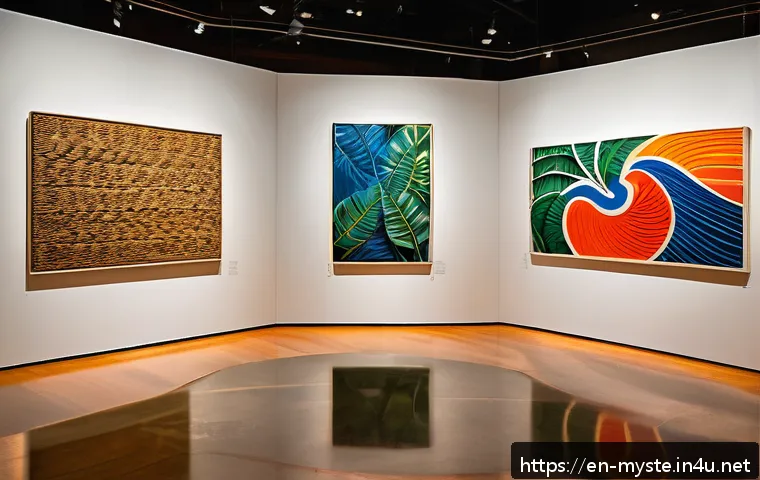
Artists across the islands have embraced the incident as a source of inspiration, channeling its themes into paintings, music, dance, and theater. This creative response has been vital in keeping the story alive while allowing personal and collective expressions of identity.
I had the chance to attend a local exhibit where the artwork vividly captured the emotional and historical layers of the event, making it accessible and meaningful for a broad audience.
Community Festivals as Living History
Many festivals now incorporate elements that commemorate the incident, transforming remembrance into celebration. These events blend storytelling, traditional rituals, and modern performances, creating immersive experiences that educate and entertain.
From my visits, the energy and participation at these festivals reveal how culture remains a living, breathing force fueled by shared history and creativity.
Language and Storytelling Revival
The incident also sparked renewed interest in the Hawaiian language and storytelling traditions. I’ve noticed more community workshops and gatherings dedicated to preserving native dialects and oral histories linked to this event.
This linguistic revival strengthens cultural identity and ensures that the nuances of the incident’s legacy are passed down authentically.
Table: Key Elements of the Incident’s Impact on Hawaiian Culture
| Aspect | Description | Long-term Effect |
|---|---|---|
| Cultural Identity | Triggered redefinition of Hawaiian values blending tradition and modernity | Enhanced community cohesion and pride |
| Media Influence | Shaped narratives and public discourse around the event | Continued relevance in cultural memory and education |
| Economic Impact | Shifted tourism towards authentic cultural experiences | Boosted sustainable local economy |
| Community Resilience | Encouraged stronger social networks and advocacy | Empowered local initiatives and environmental efforts |
| Artistic Expression | Inspired diverse creative works reflecting the incident | Revitalized cultural traditions and engagement |
Legacy and Lessons for Future Generations
Continuing the Conversation
What strikes me is how the incident remains a living dialogue rather than a closed chapter. Community forums, schools, and online platforms keep the conversation alive, inviting new voices and perspectives.
This ongoing engagement ensures that the lessons learned continue to shape Hawaii’s evolving identity in meaningful ways.
Embracing Complexity and Diversity
The incident teaches us that cultural identity is not monolithic but layered and multifaceted. Accepting differing viewpoints and embracing complexity has been crucial in healing divides and fostering inclusivity.
From my experience, this openness strengthens the community’s ability to navigate future challenges with empathy and unity.
Inspiring Cultural Stewardship
Ultimately, the incident inspires a deep sense of stewardship among Hawaiians and allies alike. It encourages active participation in preserving heritage while adapting to change.
This balance of honoring the past and embracing the future is something I find profoundly inspiring, reflecting the true spirit of the islands.
In Conclusion
The incident stands as a powerful reminder that even quiet moments can ignite profound cultural transformation. It has woven itself into the fabric of Hawaiian identity, inspiring ongoing reflection and creativity. Witnessing how tradition and change harmonize here offers valuable insight into the resilience and spirit of this vibrant community.
Helpful Information to Know
1. Cultural shifts often begin with small, unexpected events that gradually influence broader societal values.
2. Community storytelling plays a crucial role in preserving history and strengthening collective identity.
3. Local media can both reflect and shape public perception, impacting long-term cultural narratives.
4. Economic changes linked to cultural evolution can promote sustainable tourism and community empowerment.
5. Artistic and educational initiatives are vital for passing cultural heritage to future generations.
Key Takeaways
The event highlighted the dynamic nature of cultural identity, showing how tradition and modern influences can coexist and enrich one another. It emphasized the importance of inclusive dialogue and diverse perspectives in community growth. Moreover, the incident demonstrated how cultural preservation is deeply connected to economic sustainability and social resilience, all supported by active participation in arts and education.
Frequently Asked Questions (FAQ) 📖
Q: What exactly was the Hawaii Harold Incident, and why is it significant?
A: The Hawaii Harold Incident refers to a pivotal moment in local history when a community event unexpectedly sparked a shift in cultural identity across the islands.
It’s significant because it went beyond just a local happening—it became a catalyst for deeper connection among residents, influencing traditions, community values, and how people see themselves as part of Hawaii’s unique story.
From what I’ve gathered and experienced, it’s like a thread weaving through generations, reminding everyone of shared roots and resilience.
Q: How did the Hawaii Harold Incident impact local traditions and culture?
A: This incident breathed new life into Hawaiian customs by highlighting the importance of unity and cultural pride. It encouraged locals to embrace their heritage more openly, leading to renewed celebrations, storytelling, and community gatherings centered around Hawaiian values.
When I talked to people who lived through that time, many described it as a moment that rekindled their sense of belonging and motivated them to preserve their traditions in fresh, meaningful ways.
Q: Can the Hawaii Harold Incident still be felt in Hawaii’s community today?
A: Absolutely. The spirit of the Hawaii Harold Incident continues to ripple through the islands, influencing how communities come together and celebrate their identity.
Even now, events inspired by that moment foster strong bonds and cultural pride among locals and visitors alike. From personal experience attending local festivals, I’ve noticed a vibrant energy that feels deeply rooted in that shared history—proof that its legacy remains alive and well in everyday island life.