Reports of an unexplained death in a New Jersey woodland area should be treated as unverified unless an official agency or credible local reporting confirms specific details.
Until then, the safest response is to avoid speculation, respect any restrictions, and check reliable alerts before changing travel or hiking plans. This guide helps readers compare sources, choose appropriate safety resources, and decide when local support services may be useful.
Early information can be incomplete, especially when investigators are still determining identity, location, cause, or public-safety concerns. A careful approach also protects families, witnesses, and responders from harmful online rumors.
At a Glance
- Confirmed information: Reference information is unavailable, so no identity, date, location, investigation status, or cause of death can be confirmed here.
- What remains unknown: Online posts, images, and alleged witness accounts may be inaccurate or unrelated to the reported area.
- What visitors should do: Check official notices, follow posted restrictions, and contact emergency services if there is an immediate danger.
| Source Type | Best Use | What to Check Before Relying on It |
|---|---|---|
| Official agency update | Closures, safety instructions, confirmed public notices | Date, jurisdiction, exact area covered, and whether instructions are still active |
| Established local outlet | Context, follow-up reporting, and clearly attributed updates | Named sources, reporting date, corrections, and separation of facts from allegations |
| Social-media post | A possible lead to verify, not a final source | Original source, location details, image authenticity, and whether an agency has confirmed it |
What Can Be Confirmed When a Woodland Death Is Reported?
The most responsible answer is often simple: only confirmed public information should be repeated as fact. In this situation, the identity, date, exact woodland location, official investigation status, medical cause, manner of death, and any active safety risk remain unknown. A report may circulate before authorities release details, or it may combine unrelated events, old images, and assumptions.
Three Key Points: Facts, Claims, and Immediate Safety
First, distinguish a formal notice from a claim that merely sounds specific. Second, treat statements about a person’s identity or cause of death as unconfirmed unless released by the appropriate authority. Third, if a park, trail, road, or woodland access point is restricted, do not enter to investigate for yourself. Visitors looking for reliable local alerts should prioritize the notice that applies to the place they intend to visit.
Why Early Reports Can Change
Early reporting may be limited because information is still being checked. Investigators may need time to confirm whether reports refer to the same event, determine what can be released publicly, and decide whether any visitor guidance is needed. A missing detail is not proof of a cover-up, a crime, or an ongoing danger. Wait for updates rather than filling gaps with guesses.
How to Separate Reliable Reporting From Rumors
Reliable reporting provides a clear source, a publication date, and language that distinguishes confirmed facts from unresolved questions. Rumors often move faster because they offer dramatic certainty without evidence. For local-news readers, the practical selection criterion is not which post is most alarming; it is which source can show where its information came from.
Comparing Public Notices, Local Journalism, and Social Posts
An official public notice is the first place to look for closures, access limits, or direct safety instructions. Established local reporting can be useful for context when it identifies its sources and updates earlier coverage. Social posts can alert people to a possible issue, but they should be treated as a starting point for verification, not confirmation. Before sharing, compare the claim with an official update and check whether the stated location is precise enough to be meaningful.
Red Flags Worth Noticing
Pause when a post uses unnamed insiders, vague phrases such as “a New Jersey forest,” or sensational wording that pushes readers to share immediately. Other warning signs include recycled photos, images without a verifiable location, cropped screenshots, and claims that no one else can confirm. Do not amplify graphic images or alleged evidence. They may be unrelated, inaccurate, or harmful to people connected to the situation.
Public Safety Steps for Visitors to New Jersey Parks and Forests
A report of an unclear incident does not automatically mean every New Jersey park or forest is unsafe. Still, visitors should make decisions based on the specific route, entrance, or area involved. If official information is unavailable, choose a cautious plan: check current access information, tell someone where you are going, and avoid isolated or restricted areas.
Respecting Closures and Instructions
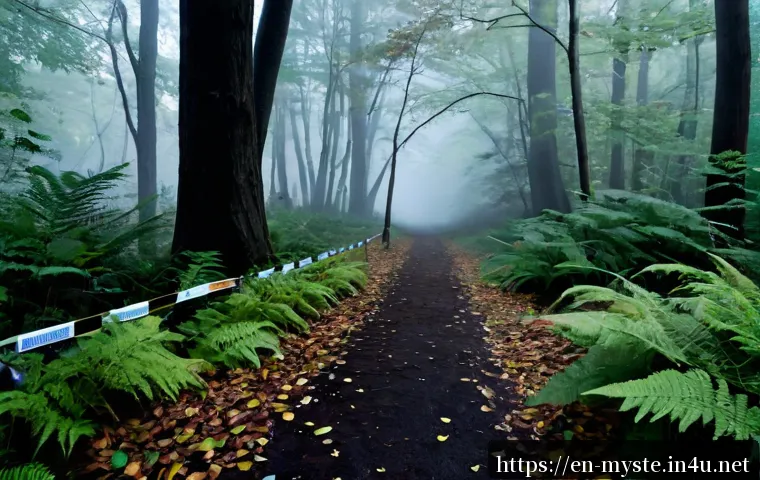
Closures, barriers, ranger directions, and law-enforcement instructions are not invitations to look for more information. They may protect visitors, preserve an investigation area, or give responders room to work. Use a different trail or postpone the visit if access is limited. Before choosing an alternate route, review the relevant official park or forest guidance and confirm that the route is open.
What to Do If You Find Something Concerning
Do not touch, move, photograph for public posting, or try to identify what you have found. Leave the immediate area if necessary, note only practical details that can help responders locate it, and contact emergency services when there is an immediate concern. For non-emergency park access questions, park staff or the responsible local authority may be the appropriate contact. Avoid turning a possible incident into a crowd-sourced investigation.
Common Mistakes When Discussing an Active or Unclear Case
The biggest mistake is presenting a theory as a fact. In unclear cases, a confident post can cause real harm even when it is later deleted. Keep the discussion focused on confirmed safety information and avoid claims that cannot be independently verified.
Avoiding Identity and Cause-of-Death Guesses
Do not name a person based on comments, photographs, or supposed connections to the area. Do not guess whether a death was accidental, natural, criminal, or self-inflicted. Those conclusions require official confirmation and may never be fully public. “I heard” is not a source standard.

Protecting Families, Witnesses, and Responders
Families may not have received information when speculation begins online. Witnesses and responders also deserve privacy and should not be pressured for details. Avoid reposting personal profiles, addresses, vehicle information, or images of people who may be involved. A respectful local community shares verified safety guidance, not private material.
Different Needs: Hikers, Nearby Residents, and People Directly Affected
Different readers need different next steps. A hiker may only need a route decision. A nearby resident may need to know whether an official advisory applies to their immediate area. Someone directly affected may need more personal support than a news update can provide.
For Recreational Visitors Deciding Whether to Change Plans
Check whether the reported area is named in an official notice. If it is closed or access is restricted, choose another destination or delay the trip. If no specific restriction is confirmed, use normal outdoor safety practices and remain alert to updated guidance. When comparing hiking resources or local safety alerts, select options that clearly state the covered area and update time.
For People Directly Affected
People connected to a possible investigation may need victim-support services, counseling, or qualified legal guidance depending on their circumstances. It is reasonable to seek support when the situation affects safety, grief, family communication, or practical decisions. Choose local support services by checking their scope, privacy approach, availability, and whether they are appropriate for the issue involved.
Selection Criteria and Comparison Summary
Before acting on a report or choosing a local safety resource, use these checks:
- Authority: Is the update from the agency or organization responsible for the specific area?
- Timing: Is there a clear publication or update date?
- Location: Does it identify the relevant park, forest, trail, road, or jurisdiction?
- Purpose: Does it provide practical safety guidance rather than speculation?
- Support fit: If help is needed, does the counseling, victim-support, or legal service clearly describe what it offers?
Check official guidance and service details on the relevant provider’s page before making a travel, safety, or support decision. Recheck updates if conditions change, but avoid repeatedly sharing unverified claims while waiting.
In Closing
An unexplained-death report can create understandable concern, particularly when it involves a familiar outdoor area. But without verified reference information, the responsible approach is to separate confirmed notices from online speculation. Follow restrictions, use reliable alerts, and give investigators and affected families the space they need. Clear, careful sharing is more useful than fast sharing.
Useful Information to Keep in Mind
1. A vague location cannot tell you whether your planned trail or neighborhood is affected.
2. An old photograph or video may be presented as new without proof.
3. A closure may be precautionary and does not, by itself, establish the nature of an incident.
4. Directly affected people may benefit from support that is separate from public news coverage.
Important Notes
This article is a general verification and safety guide, not a confirmation that a death, investigation, closure, or public threat exists in any particular New Jersey woodland area. Details such as identity, location, cause, manner of death, and current risk require confirmation from appropriate official sources. If there is an immediate emergency or danger, contact emergency services rather than relying on online updates.
Frequently Asked Questions
Q1. Is it safe to visit a New Jersey forest if there are reports of an unexplained death?
A1. Safety depends on the specific area and any current official instructions. If an area is closed, restricted, or under an active response, do not enter. If no verified notice applies to your destination, check current access guidance and use normal outdoor safety precautions rather than assuming either danger or safety from social-media claims.
Q2. How can I verify whether a reported incident is real before sharing it online?
A2. Look for an official notice or reporting from an established local outlet that identifies its sources and dates its update. Compare the claimed location and details across sources. Do not share images, names, or cause-of-death claims that cannot be verified through reliable reporting.
Q3. When should someone affected by a death investigation seek victim-support, counseling, or legal guidance?
A3. Consider appropriate local support when the situation involves grief, trauma, safety concerns, family communication, or decisions that feel difficult to manage alone. Choose a service based on its stated role, privacy practices, and relevance to the person’s circumstances. For urgent safety concerns, contact emergency services.