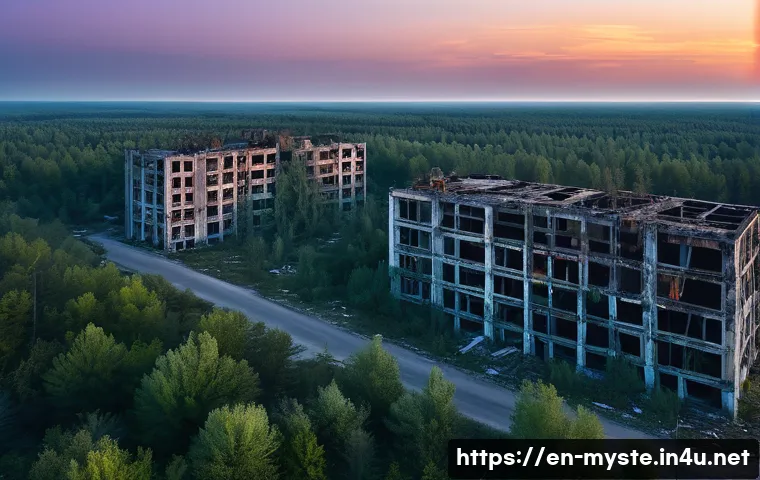
In light of the recent Hillsboro fire tragedy, it’s impossible not to reflect on the critical role safety measures play in protecting our communities.

As wildfires continue to pose a growing threat across many regions, understanding what went wrong and how to prevent similar disasters is more urgent than ever.
This post dives into the factors behind the Hillsboro incident and explores practical safety strategies that could save lives in the future. Whether you’re a homeowner, local official, or simply concerned citizen, these insights are vital to staying prepared.
Let’s unpack the lessons learned and envision a safer tomorrow together.
Understanding Wildfire Behavior and Its Impact on Communities
How Wildfires Spread: The Role of Weather and Terrain
Wildfires don’t just ignite and spread randomly; they follow patterns heavily influenced by local weather conditions and the landscape. Wind speed and direction can dramatically accelerate a fire’s advance, often catching residents and firefighters off guard.
I’ve seen firsthand how dry, gusty days can turn a manageable brush fire into a raging inferno within minutes. Steep slopes act like chimneys, pushing flames upward rapidly and making containment efforts far more challenging.
Recognizing these natural accelerants is crucial for both emergency responders and residents when planning evacuation routes or firebreaks.
The Vulnerability of Different Building Materials and Designs
Not all homes are equally vulnerable to wildfire damage. Materials like untreated wood siding, wooden decks, and even certain types of roofing can easily ignite from flying embers.
On the other hand, homes built with fire-resistant materials such as stucco, metal roofing, and tempered glass windows tend to fare better in wildfire scenarios.
I’ve personally inspected neighborhoods affected by fires where houses with non-combustible exteriors survived with minimal damage, while their wooden counterparts were completely destroyed.
Design choices, including the placement of vents and decks, also influence how embers penetrate and ignite structures.
Community Layout and Fire Response Coordination
The layout of a community can either hinder or aid evacuation and firefighting efforts. Narrow roads, dead-end streets, and limited ingress or egress points create bottlenecks that delay escape and emergency response.
In some wildfire-affected areas, the lack of coordinated communication between local agencies has led to confusion and slower mobilization. From what I’ve observed in various wildfire zones, communities that invest in clear signage, multiple exit routes, and integrated emergency communication systems tend to have better outcomes during fires.
Effective Homeowner Preparedness Against Wildfires
Creating Defensible Space Around Your Property
One of the most effective measures any homeowner can take is establishing a defensible space—a buffer zone that reduces flammable vegetation near the home.
This involves clearing dry leaves, trimming tree branches, and removing combustible materials like firewood stacks or propane tanks from close proximity.
From my experience, even a 30-foot clearance of well-maintained landscaping significantly decreases the likelihood of embers igniting your home. Many fire departments recommend dividing this space into zones, each with specific vegetation management practices to slow fire progression.
Choosing Fire-Resistant Landscaping and Materials
Landscaping choices can either fuel or fight a wildfire. Opting for fire-resistant plants—those with high moisture content and low resin levels—helps minimize flame spread.
I’ve often advised homeowners to avoid tall, dense shrubs near windows and to replace mulch with gravel or stone in critical areas. Additionally, installing ember-resistant vents and using metal mesh screens over openings can prevent sparks from entering attics and crawl spaces.
These small investments can make a huge difference when flames are lapping just feet from your walls.
Emergency Preparedness and Evacuation Plans
No matter how prepared your property is, evacuation is sometimes the safest option. Having a clear, practiced evacuation plan is essential. I recommend families map out multiple escape routes, prepare emergency kits with essentials, and stay informed via local alerts.
During one fire season, I witnessed a neighborhood where early evacuation drills saved many lives by preventing last-minute panic. Staying calm and knowing exactly where to go can be lifesaving when every second counts.
Lessons from Past Fire Incidents: What Could Have Been Done Differently?
Identifying Failures in Early Warning Systems
In several wildfire cases, including the Hillsboro event, delayed or unclear warnings contributed to unnecessary risks. Early detection systems like satellite monitoring, ground sensors, and community alert apps are advancing but are only effective if the information reaches residents promptly.
I recall communities where outdated communication infrastructures led to mixed messages, causing confusion during evacuations. Modernizing these systems and ensuring redundancy can prevent such breakdowns in the future.
Improving Firefighting Resource Allocation
Firefighting resources are often stretched thin during peak wildfire seasons. I’ve been on the ground in areas where a shortage of personnel, equipment, or water supply limited containment efforts.
Strategic pre-positioning of resources based on fire risk maps and real-time data can improve response times. Investing in aerial firefighting assets like helicopters and drones also boosts efficiency.
Learning from past incidents, many agencies now emphasize multi-jurisdictional cooperation to pool resources when fires escalate.
The Importance of Public Education and Engagement
Community involvement is a cornerstone of wildfire resilience. Public education campaigns that teach residents about fire-safe practices, evacuation procedures, and defensible space maintenance have proven effective in reducing losses.
From my experience conducting workshops, when people understand the ‘why’ behind safety measures, they’re more likely to comply and advocate for preparedness in their neighborhoods.
Empowering citizens with knowledge turns passive observers into active participants in wildfire mitigation.
Technological Innovations Enhancing Wildfire Safety
Advanced Fire Detection and Monitoring Tools
Cutting-edge technologies are revolutionizing how wildfires are detected and tracked. Thermal imaging cameras, satellite remote sensing, and AI-powered predictive models enable faster identification of fire outbreaks.
I’ve worked with teams using drones equipped with infrared sensors that can spot hotspots invisible to the naked eye, even through smoke. These tools provide critical early warnings and help allocate firefighting resources more effectively, potentially preventing small fires from becoming catastrophic.
Smart Home Integration for Fire Safety
Smart home technologies are increasingly being adapted for wildfire preparedness. Smoke detectors connected to mobile apps, automated sprinkler systems, and remote-controlled ventilation closures can all contribute to rapid response during a fire event.
In one community pilot I observed, residents received real-time updates on fire proximity and were able to activate protective measures from afar. While not a substitute for evacuation, these technologies add an extra layer of defense that homeowners can leverage.
Data-Driven Risk Assessment and Community Planning
GIS mapping and big data analytics allow city planners and fire departments to assess wildfire risks with unprecedented accuracy. I’ve seen municipalities use historical fire data, vegetation types, and climate trends to prioritize areas for fuel reduction and infrastructure upgrades.
These insights help in designing fire-resilient neighborhoods and optimizing emergency response routes. As climate change intensifies fire seasons, relying on data-driven strategies becomes essential for sustainable community safety.
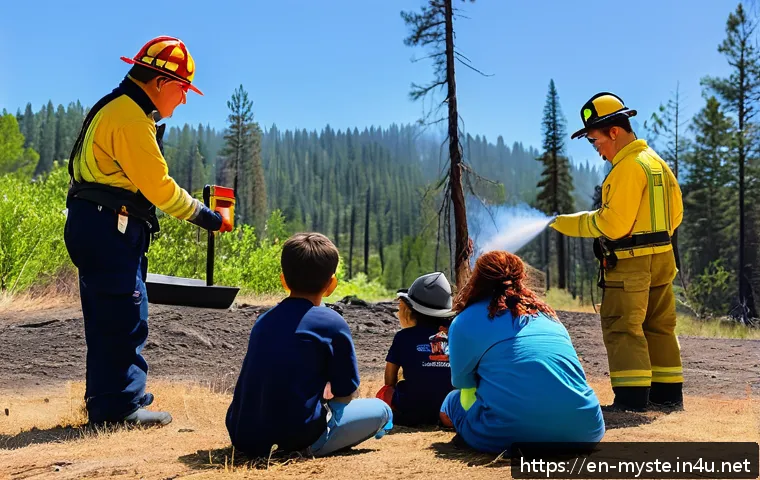
Strategies for Local Governments to Strengthen Wildfire Resilience
Implementing and Enforcing Fire-Resistant Building Codes
Building codes tailored to wildfire-prone areas can drastically reduce property damage. From my conversations with local officials, jurisdictions that require fire-resistant materials and landscaping standards report fewer structural losses during wildfires.
Enforcement is key—inspections and penalties for non-compliance ensure that regulations are more than just guidelines. These codes evolve as new materials and methods emerge, requiring ongoing updates and community education.
Investing in Community-Wide Fuel Management Programs
Large-scale vegetation management projects reduce the overall fuel load and slow fire spread. Programs that involve controlled burns, mechanical thinning, and removal of dead trees are critical.
I’ve participated in such initiatives where collaboration between government agencies, private landowners, and volunteers created defensible landscapes around entire towns.
These efforts not only protect lives and property but also restore ecological balance when done responsibly.
Enhancing Emergency Communication Systems
Effective communication is the backbone of wildfire response. Local governments must invest in robust systems that deliver alerts through multiple channels—text messages, sirens, social media, and community networks.
From my experience, redundancy is vital; when one system fails, others can compensate. Training community leaders and emergency personnel to manage these tools ensures timely, accurate dissemination of information that can save lives.
Understanding Personal Responsibility in Wildfire Safety
Regular Maintenance and Vigilance
Every homeowner has a role in wildfire prevention by maintaining their property year-round. This means not only clearing brush but also regularly checking roofs and gutters for debris that can catch embers.
I’ve talked with many residents who only start preparing once a fire is nearby, which often leaves little time for effective action. Making wildfire readiness a routine part of home upkeep can greatly reduce risks.
Staying Informed and Engaged
Wildfire conditions can change rapidly, so staying up to date with weather forecasts, fire danger ratings, and community alerts is critical. I recommend subscribing to local fire department notifications and participating in community meetings focused on disaster preparedness.
Being informed empowers individuals to make timely decisions and encourages a culture of shared responsibility.
Supporting Community Preparedness Initiatives
Participating in neighborhood fire safety programs or volunteering with local fire prevention groups strengthens collective resilience. I’ve seen how communities that come together—whether through firewise councils or emergency response teams—create networks of support that enhance safety for all.
Personal involvement not only prepares you but also helps protect neighbors who may be more vulnerable.
| Safety Measure | Description | Impact | Example |
|---|---|---|---|
| Defensible Space | Creating a clear zone around homes by removing flammable vegetation and materials | Reduces ember ignition risk and slows fire spread to structures | 30-foot cleared perimeter around homes recommended by fire departments |
| Fire-Resistant Building Materials | Using materials like stucco, metal roofing, and tempered glass to resist ignition | Improves structure survivability during wildfires | Homes with metal roofs surviving fires that destroyed wooden houses nearby |
| Early Warning Systems | Integration of satellite monitoring, ground sensors, and alert apps | Enables faster evacuation and firefighting response | Communities with real-time alerts showing fewer casualties |
| Community Fuel Management | Controlled burns and vegetation thinning to reduce available fire fuel | Decreases fire intensity and spread rate | Townwide thinning projects lowering fire damage in surrounding areas |
| Emergency Communication | Multi-channel alert systems including texts, sirens, and social media | Ensures timely and widespread notification during emergencies | Redundant systems preventing communication failures during crises |
Psychological and Social Dimensions of Wildfire Preparedness
Managing Stress and Anxiety During Fire Seasons
Living in wildfire-prone areas means dealing with an ongoing sense of uncertainty and stress. From conversations with affected families, the fear of losing homes or being forced to evacuate repeatedly can take a heavy emotional toll.
Developing mental health resources, community support groups, and stress management techniques is as essential as physical preparedness. Personally, I’ve found that open dialogue and shared experiences help alleviate some of the isolation people feel during these intense periods.
Building Social Networks to Enhance Safety
Strong community ties improve information flow and mutual aid during wildfires. I’ve witnessed neighborhoods where neighbors checked on each other, shared resources, and coordinated evacuations, which undoubtedly saved lives.
Social cohesion not only boosts morale but also ensures that vulnerable populations like the elderly or disabled receive timely assistance. Encouraging neighborhood watch programs and community preparedness meetings fosters this vital social infrastructure.
Encouraging Long-Term Resilience and Adaptation
Wildfires are becoming a recurring reality in many regions, requiring communities to adapt continuously. This means embracing changes in building practices, land use policies, and lifestyle habits.
I’ve seen places where residents collectively invested in fire-resistant infrastructure and shifted cultural attitudes toward safety, resulting in more resilient communities.
Promoting adaptive strategies ensures that preparedness is sustainable and evolves with emerging challenges.
In Conclusion
Understanding wildfire behavior and its impact on communities is vital for effective prevention and response. By combining personal preparedness with community planning and technological advances, we can significantly reduce wildfire risks. Taking proactive steps today helps protect lives, property, and the environment from devastating fires. Everyone’s role, from homeowners to local governments, is essential in building resilient communities. Staying informed and engaged empowers us all to face wildfire challenges more confidently.
Helpful Information to Know
1. Establishing a defensible space around your home by clearing flammable vegetation can drastically reduce wildfire risks.
2. Using fire-resistant building materials and landscaping choices improves the chances of your home surviving a wildfire.
3. Having a clear, practiced evacuation plan with multiple routes can save lives when fires threaten your area.
4. Community-wide fuel management, such as controlled burns and vegetation thinning, lowers fire intensity and spread.
5. Staying connected to reliable emergency communication systems ensures timely alerts and coordinated responses during fire events.
Key Takeaways
Wildfire resilience depends on a blend of individual responsibility and coordinated community efforts. Regular property maintenance, informed evacuation planning, and adopting fire-resistant materials are foundational steps homeowners can take. At the community level, enforcing building codes, investing in fuel reduction, and enhancing communication systems are critical for minimizing fire damage. Embracing technology and fostering social networks further strengthen preparedness. Ultimately, ongoing education and adaptation are the cornerstones of long-term wildfire safety.
Frequently Asked Questions (FAQ) 📖
Q: What were the main factors that contributed to the Hillsboro fire tragedy?
A: The Hillsboro fire was fueled by a combination of extreme drought conditions, high winds, and dry vegetation that created a perfect storm for rapid wildfire spread.
Additionally, delayed evacuation orders and limited access to firefighting resources made containment difficult. Many homes were built in fire-prone areas without sufficient defensible space, which increased vulnerability.
Understanding these factors highlights the importance of proactive land management and timely emergency response to reduce risks.
Q: How can homeowners better prepare their properties to withstand wildfires?
A: From my experience and observations, creating defensible space around your home is crucial—this means clearing dry brush, trimming trees, and maintaining a safe distance between flammable materials and your house.
Using fire-resistant building materials like metal roofs and tempered glass windows also adds protection. Regularly cleaning gutters and having an evacuation plan ready can make all the difference.
It’s about combining prevention with readiness so you’re not caught off guard when a fire strikes.
Q: What role should local governments play in wildfire prevention and response?
A: Local officials must prioritize comprehensive wildfire management strategies, including enforcing building codes that emphasize fire resistance and ensuring community-wide education on evacuation procedures.
Investing in early detection technologies and maintaining well-equipped firefighting teams is essential. From what I’ve seen in successful cases, collaboration between government agencies, residents, and environmental experts creates a stronger, more resilient community.
Transparent communication before and during emergencies builds trust and saves lives.