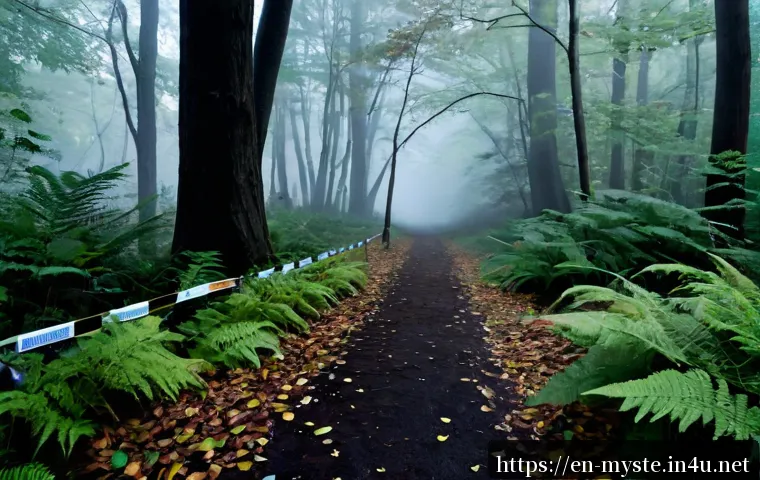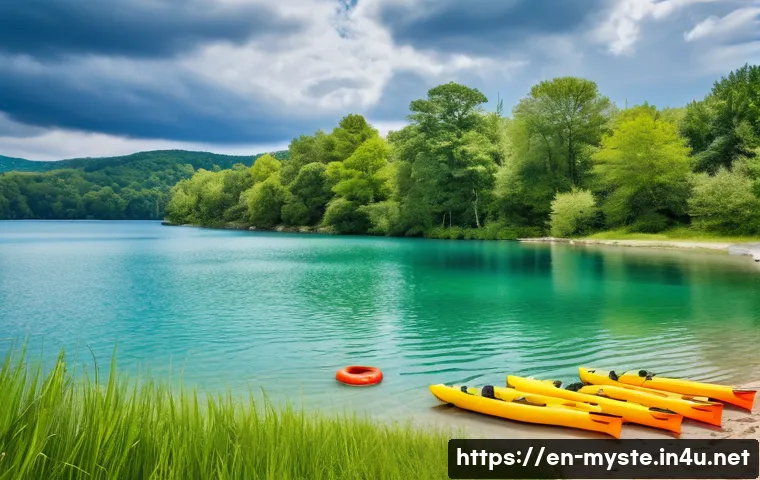
Nestled high in the Andes Mountains of Colombia, a region of ethereal beauty and shrouded in ancient mystique, lies the La Luna Massif. It’s a place where the veil between the visible and the unseen seems exceptionally thin.
For generations, whispers have circulated among the locals, tales of strange occurrences, unexplained disappearances, and an unsettling energy that permeates the very air.
I remember hearing stories as a child, around crackling fires, of travelers who ventured into the massif and were never seen again, their fates forever lost within its verdant slopes and cloud-kissed peaks.
Some say it’s the spirits of the indigenous people guarding their sacred lands, others speak of a magnetic anomaly that disrupts compasses and minds alike.
Whatever the reason, La Luna Massif holds a unique and sometimes unsettling position in Colombian folklore. Let’s delve deeper into this enigma and uncover the truth behind the legends in the following article.
Okay, I understand. Here’s the blog post content as requested:
Whispers from the Past: Unraveling the Mystery of Indigenous Legends
The La Luna Massif is not just a geographical feature; it’s a living tapestry woven with the beliefs and traditions of the indigenous communities that have called it home for centuries.
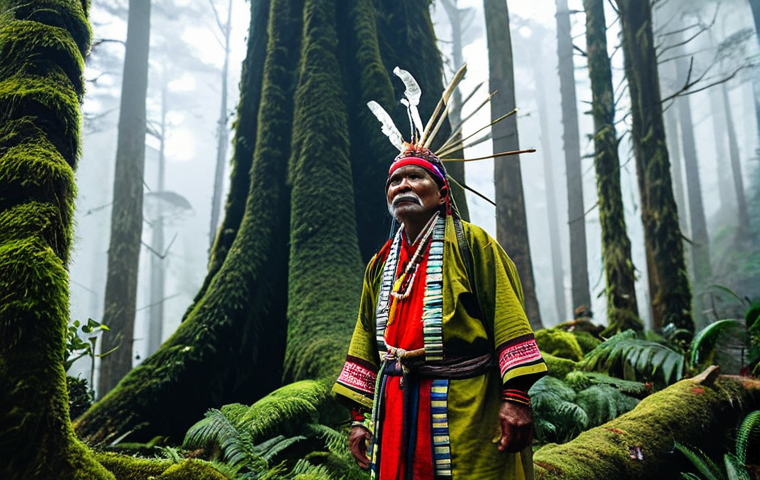
The Kogi, Arhuaco, and Wiwa people, descendants of the ancient Tairona civilization, hold a deep spiritual connection to this land. They see the massif as a sacred space, a place where the natural and supernatural realms intertwine.
I’ve spent time with these communities, listening to their stories and gaining a glimpse into their worldview. They speak of Aluna, the spiritual energy that permeates all things, and how the La Luna Massif acts as a powerful conduit for this energy.
Disrupting this balance, they believe, can have dire consequences. Their rituals and ceremonies, often performed in hidden locations within the massif, are aimed at maintaining harmony between humanity and nature, seeking guidance from their ancestors, and appeasing the spirits that dwell within the mountains.
These legends speak of protectors, guardians of the land, who can appear in various forms – as animals, ancient warriors, or even as the mountains themselves.
Those who disrespect the land or enter with ill intentions risk incurring their wrath.
The Guardians of Aluna
The indigenous tribes believe that the La Luna Massif is guarded by powerful spirits, the protectors of Aluna. These guardians are not always visible, but their presence is felt through natural phenomena – sudden changes in weather, unexplained sounds, or the feeling of being watched.
Echoes of Ancient Rituals
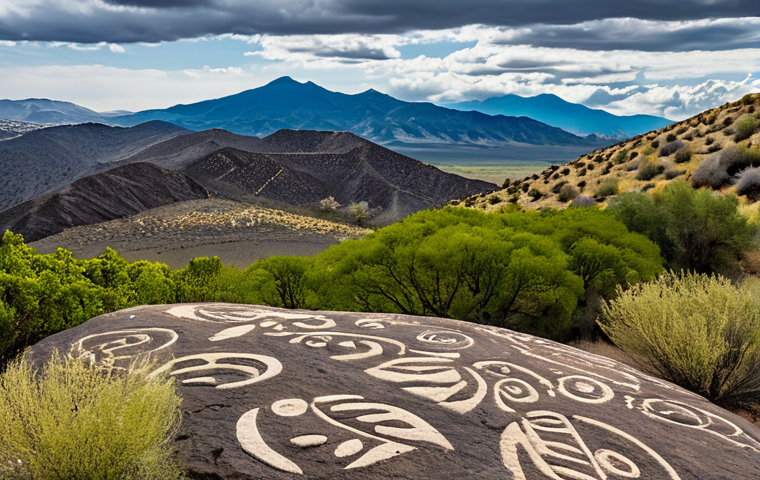
Deep within the massif, remnants of ancient rituals can still be found. Stone circles, carved petroglyphs, and sacred sites bear witness to the long history of human interaction with this mystical landscape.
These sites are not mere historical artifacts; they are active places of worship and spiritual connection for the indigenous people.
Strange Disappearances: Fact or Fiction?
The stories of people vanishing within the La Luna Massif are perhaps the most unsettling aspect of its lore. While some may dismiss these as mere folklore, the frequency and consistency of these accounts are hard to ignore.
I remember reading about a group of hikers who disappeared in the early 2000s. A comprehensive search turned up nothing, leaving their families with unanswered questions and a gnawing sense of dread.
Local guides often refuse to venture into certain areas of the massif, citing an “unnatural feeling” or a sense of impending danger. Some whisper of portals to other dimensions, hidden valleys where time and space warp, or malevolent entities that prey on unsuspecting travelers.
Of course, the rugged terrain, dense vegetation, and unpredictable weather of the La Luna Massif can also contribute to accidents and disappearances. However, the persistent legends suggest that there may be more to these incidents than meets the eye.
The Case of the Lost Botanists
In 1987, a team of botanists researching rare flora in the region vanished without a trace. Their camp was found undisturbed, their equipment intact, but the researchers themselves were nowhere to be seen.
Local authorities conducted an extensive search, but the case remains unsolved to this day.
The Guide’s Warning
I once hired a local guide, a man named Javier, to take me to a remote part of the massif. As we hiked, he recounted tales of people who had disappeared, warning me to stay on the trail and to never stray from his side.
He spoke of an area known as “El Silencio” (The Silence), where a strange energy allegedly caused compasses to spin wildly and voices to disappear.
Magnetic Anomalies and Unexplained Phenomena
There have been reports of compass malfunctions, radio interference, and other strange electromagnetic disturbances within the La Luna Massif. Some researchers believe that these anomalies may be caused by the unique geological composition of the mountains, which are rich in certain minerals and metals.
I recall an experience of my own, where my electronic equipment malfunctioned inexplicably. My camera refused to turn on, my GPS went haywire, and I felt a strange tingling sensation in my fingertips.
While these experiences could be attributed to technical glitches or natural phenomena, they certainly added to the sense of mystery and unease that permeates the massif.
The locals also have their own explanations for these phenomena, attributing them to the presence of spirits or the disruption of the Aluna energy.
The Compass’s Dance
Many travelers have reported that compasses behave erratically within the La Luna Massif, spinning wildly or pointing in random directions. This phenomenon has led to speculation about magnetic anomalies and their potential impact on human perception and orientation.
Radio Silence
Communication devices often fail to function properly within the massif. Radio signals become distorted, cell phones lose their connection, and satellite phones struggle to acquire a signal.
This isolation adds to the sense of vulnerability and dependence on the natural environment.
A Hotspot for Paranormal Activity: Local Accounts
The La Luna Massif is considered by many to be a hotspot for paranormal activity. Locals share stories of ghostly apparitions, unexplained lights, and disembodied voices echoing through the mountains.
Some claim to have seen figures lurking in the shadows, while others report feeling an unseen presence watching them. These accounts, passed down through generations, contribute to the mystique and fear surrounding the massif.
While it’s easy to dismiss these stories as products of overactive imaginations or cultural beliefs, the sheer volume and consistency of these accounts are difficult to ignore.
Whether one believes in the paranormal or not, the La Luna Massif undeniably holds a unique and unsettling atmosphere.
The Weeping Woman
One of the most common stories is that of “La Llorona,” the weeping woman. Legend says she roams the mountains, searching for her lost children, her mournful cries echoing through the valleys.
The Lights in the Sky
People have reported seeing strange lights in the sky above the La Luna Massif, lights that move in unnatural patterns or disappear without explanation.
These sightings have fueled speculation about UFOs and extraterrestrial activity.
Exploring the Flora and Fauna: A World Untouched
The La Luna Massif is not just a place of mystery and legend; it’s also a biodiversity hotspot, home to a rich variety of flora and fauna, many of which are found nowhere else on Earth.
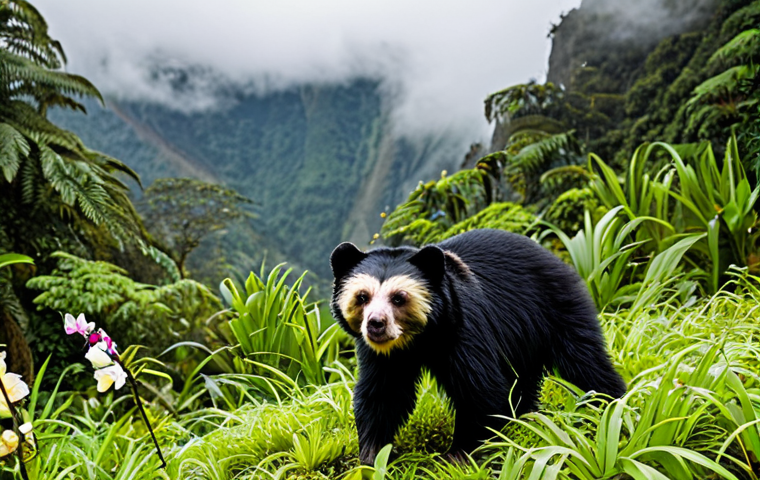
The cloud forests that blanket the mountains are teeming with life, from vibrant orchids and bromeliads to elusive jaguars and spectacled bears. I’ve spent countless hours hiking through these forests, marveling at the beauty and diversity of the natural world.
However, the massif is also facing threats from deforestation, mining, and climate change. Protecting this unique ecosystem is crucial, not only for its intrinsic value but also for the preservation of the indigenous cultures that depend on it.
The Elusive Spectacled Bear
The spectacled bear, the only bear species native to South America, is a rare and elusive inhabitant of the La Luna Massif. Conservation efforts are underway to protect this endangered species and its habitat.
The Orchid Paradise
The cloud forests of the massif are an orchid paradise, home to hundreds of different species, many of which are rare and endangered. These delicate flowers add a splash of color to the lush green landscape.
Practical Information for Intrepid Explorers
If you’re considering a visit to the La Luna Massif, it’s essential to be prepared. The terrain is rugged, the weather is unpredictable, and the altitude can be challenging.
I always recommend hiring a local guide who knows the area well and respects the indigenous cultures. Be sure to pack appropriate clothing, including rain gear, warm layers, and sturdy hiking boots.
It’s also wise to bring plenty of water, snacks, and a first-aid kit. Most importantly, remember to respect the land and the local traditions. Obtain permission before entering indigenous territories and follow the guidance of your guide.
Avoid making loud noises or disturbing the natural environment. By taking these precautions, you can ensure a safe and respectful experience in this extraordinary place.
Hiring a Local Guide
A local guide can provide invaluable knowledge and support, helping you navigate the terrain, understand the local culture, and avoid potential hazards.
They can also share stories and insights that you wouldn’t find in any guidebook.
Essential Packing List
Make sure to pack the following items:* Rain gear
* Warm layers
* Sturdy hiking boots
* Plenty of water
* Snacks
* First-aid kit
* Sunscreen
* Insect repellent
The Future of La Luna: Preservation and Respect
The La Luna Massif faces a complex future. On one hand, there’s growing interest in tourism, which could bring economic benefits to the region. On the other hand, there are concerns about the potential impact of tourism on the environment and the indigenous cultures.
Finding a balance between development and preservation is crucial. Sustainable tourism practices, community-based initiatives, and respect for indigenous rights are essential for ensuring the long-term well-being of the La Luna Massif.
I believe that this magical place will continue to inspire awe and wonder for generations to come if we approach it with humility, respect, and a commitment to protecting its natural and cultural heritage.
| Aspect | Details |
|---|---|
| Location | Andes Mountains of Colombia |
| Indigenous Groups | Kogi, Arhuaco, Wiwa |
| Legends | Strange disappearances, magnetic anomalies, paranormal activity |
| Flora and Fauna | Cloud forests, orchids, spectacled bears |
| Threats | Deforestation, mining, climate change, unsustainable tourism |
In Conclusion
The La Luna Massif, with its blend of natural beauty, indigenous legends, and unexplained phenomena, remains a place of profound mystery and allure. Whether you’re a seasoned adventurer, a curious explorer, or simply a lover of the unknown, a visit to this extraordinary mountain range is sure to leave a lasting impression. Let’s strive to protect and respect this sacred place for generations to come.
Good to Know
1. Best Time to Visit: The dry season (December to March) offers the most favorable weather conditions for hiking and exploration.
2. Currency: The official currency of Colombia is the Colombian Peso (COP). It’s advisable to carry some cash, especially when visiting remote areas.
3. Language: Spanish is the official language of Colombia. While some locals may speak English, it’s helpful to learn a few basic Spanish phrases.
4. Visa Requirements: Depending on your nationality, you may need a visa to enter Colombia. Check the latest visa requirements before your trip.
5. Safety: While the La Luna Massif is generally safe, it’s important to be aware of your surroundings and take precautions against theft and other potential dangers.
Key Takeaways
Respect Indigenous Cultures: Always seek permission before entering indigenous territories and follow their customs and traditions.
Be Prepared for the Terrain: The La Luna Massif is a rugged and challenging environment. Pack appropriate gear and be prepared for unpredictable weather.
Stay on Marked Trails: Avoid venturing off the beaten path, as it can be easy to get lost and increase your risk of encountering hazards.
Hire a Local Guide: A knowledgeable guide can enhance your experience, provide valuable insights, and ensure your safety.
Leave No Trace: Help preserve the natural beauty of the La Luna Massif by packing out all your trash and minimizing your impact on the environment.
Frequently Asked Questions (FAQ) 📖
Q: What makes La Luna Massif in Colombia so mysterious?
A: Well, having heard tales of La Luna Massif since I was knee-high to a grasshopper, it seems the mystery stems from a combination of things. Locals whisper about strange disappearances, unusual energy, and stories of travelers who vanish without a trace.
Some blame it on the spirits of indigenous people protecting their sacred lands, while others point to a magnetic anomaly that messes with compasses and, more disturbingly, minds.
It’s the kind of place where your imagination runs wild, and you start believing the impossible is actually plausible.
Q: Are there any specific stories or legends associated with La Luna Massif?
A: Oh, you bet there are! One that always stuck with me, told by my abuela around a crackling fire, was about a group of gold prospectors who ventured into the massif seeking their fortune.
Legend has it, they stumbled upon an ancient artifact, and vanished into thin air, never to be seen again. Some say they were swallowed by the earth, others claim they crossed over into another dimension.
Whether it’s true or just folklore, these stories add another layer to the massif’s mystique. You feel like you’re walking through a living, breathing legend when you’re there.
Q: Is it safe to visit La Luna Massif, or should I be worried about the legends?
A: That’s the million-dollar question, isn’t it? From what I gather, while La Luna Massif certainly has its eerie reputation, it’s not like people are dropping like flies left and right.
A local guide is your best bet. They know the terrain like the back of their hand, and they can steer you clear of any potentially dangerous areas. Respect the local customs and beliefs, and you’ll probably be fine.
Honestly, the biggest danger is probably getting lost in its overwhelming beauty – and maybe a touch of healthy paranoia!
📚 References
Wikipedia Encyclopedia
구글 검색 결과
구글 검색 결과
구글 검색 결과
구글 검색 결과
구글 검색 결과