Hey there, fellow adventurers and history buffs! You know, there’s just something undeniably captivating about tales of lost treasure, isn’t there? The sheer thrill of imagining fortunes tucked away, waiting for someone brave (or lucky!) enough to unearth them.
Well, if that sparks your imagination like it does mine, then you’re absolutely going to love what we’re diving into today. I’ve spent countless hours poring over old maps and dusty records, and let me tell you, few places on Earth hold as many tantalizing secrets as Jamaica.
It’s not just a paradise of stunning beaches; it’s a hotbed of pirate lore, sunken cities, and whispers of unimaginable wealth lying just beneath the surface.
From legendary buccaneers to cataclysmic natural disasters, this island has played host to some of history’s most epic sagas of hidden gold and silver.
The quest for these lost riches has become an enduring “incident” – a timeless pursuit that continues to draw explorers, historians, and dreamers alike.
Think about it: a city swallowed by the sea, leaving behind not just ruins, but an estimated $500 million in undiscovered riches! Can you even fathom that?
The stories are so wild, you’d swear they were made up, but my extensive dives into historical accounts and recent discoveries confirm that the reality might be even more incredible than the myths.
This isn’t just about old coins; it’s about unraveling centuries-old mysteries and perhaps, just perhaps, touching a piece of history. So, if you’re ready to unlock the secrets of Jamaica’s most notorious treasure hunt, keep reading.
You’re in for an absolute treat that goes way beyond mere legend, exploring real expeditions, baffling clues, and the incredible ongoing legacy of a treasure that refuses to stay buried.
The allure of pirate gold and sunken cities has captivated imaginations for centuries, and nowhere is this more true than in the sun-drenched, history-rich island of Jamaica.
We’re talking about the legendary “Jamaica Treasure Hunter Incident” – an ongoing saga rooted in the infamous Port Royal earthquake of 1692, which plunged vast fortunes beneath the waves and scattered countless other hoards across the island’s interior.
This wasn’t just a natural disaster; it was a game-changer for treasure hunters, creating a mystery that has baffled and inspired generations. The whispers of Sir Henry Morgan’s untold riches and the untold wealth of a city once dubbed the “wickedest on Earth” continue to echo.
Every new discovery or compelling theory only adds fuel to the fire, drawing modern-day adventurers into a pursuit that promises immense rewards – or profound disappointments.
It’s a high-stakes game where history and legend collide, and the hunt is far from over. Let’s dive deeper into this captivating quest and uncover the true story behind Jamaica’s most sought-after hidden treasures.
Unearthing Port Royal’s Sunken Legacy
Hey, have you ever felt that spine-tingling sensation when you realize you’re walking (or diving!) over history? That’s exactly how it feels when you contemplate Port Royal.
This wasn’t just any old colonial town; it was, for a time, the beating heart of piracy, a wild, wicked city that truly earned its moniker as the “wickedest city on Earth.” Imagine a place where a single night could see fortunes made and lost, where rum flowed like water, and buccaneers flaunted their ill-gotten gains with reckless abandon.
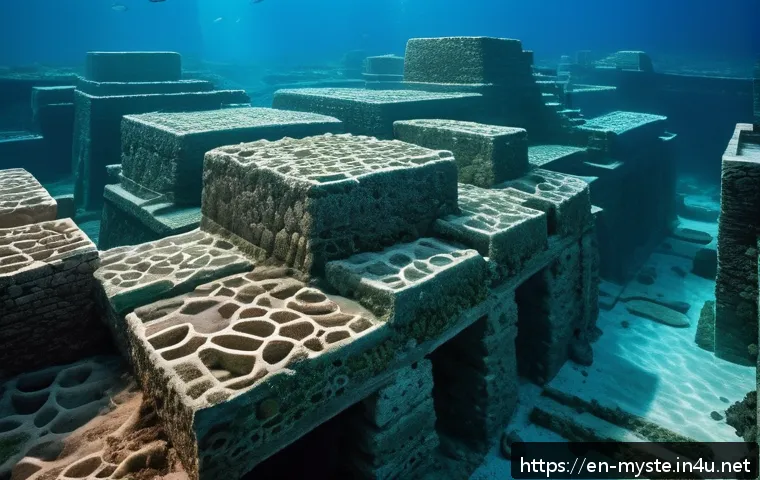
Then, in an instant, on June 7, 1692, a catastrophic earthquake and subsequent tsunami swallowed two-thirds of it whole, plunging its bustling streets, grand buildings, and unimaginable wealth into the sea.
I mean, can you even picture that? One moment, you’re living it up, and the next, your entire world is pulled under. It’s truly mind-boggling to think about the sheer volume of gold, silver, jewels, and artifacts that went down with it.
Divers today still speak of an ethereal atmosphere, like a ghost city preserved in time beneath the Caribbean waves. The initial devastation was immense, but for us treasure enthusiasts, it created an underwater time capsule, a sunken city waiting to reveal its secrets.
It’s not just about the monetary value; it’s about the stories, the lives, and the pivotal moment in history frozen forever. I’ve heard firsthand accounts from archaeologists who describe pulling up untouched artifacts, feeling a direct connection to those long-gone buccaneers.
The sense of discovery there, I believe, is unparalleled.
The City That Sank: A Glimpse into 17th-Century Life
When Port Royal sank, it didn’t just become another shipwreck. It became an underwater Pompeii. What makes it so utterly fascinating for someone like me is how incredibly well-preserved much of it is.
Divers and archaeologists have uncovered entire streets, buildings, and household items, offering an unprecedented look into daily life during the Golden Age of Piracy.
We’re talking about pewter plates still on tables, pipes near beds, and even entire jars of pickles! It’s like stepping into a time machine, only instead of a door, you’re descending into the depths.
This isn’t just about finding shiny objects; it’s about piecing together the vibrant, often scandalous, tapestry of a bygone era. The sheer volume of intact structures and artifacts paints a vivid picture of a bustling port where illicit trade and lavish living were the norm.
I’ve always found it remarkable how nature, in its destructive power, can also be such an incredible preserver.
Treasures Beyond Gold: Archaeological Significance
While the allure of pirate gold is undeniable, the true “treasure” of Port Royal, from an archaeological perspective, extends far beyond precious metals.
The wealth of information gained from studying the submerged city has reshaped our understanding of 17th-century colonial life, trade routes, and even earthquake geology.
Every shard of pottery, every rusted cannon, every preserved wooden structure contributes to a larger narrative. I’ve spent hours reading reports from the various expeditions, and what truly stands out is the meticulous work done to catalog and preserve these historical fragments.
It’s a painstaking process, but the insights gained are invaluable, helping historians paint a much more accurate and nuanced picture of Jamaica’s pivotal role in global maritime history.
This isn’t just a treasure hunt; it’s a historical excavation of monumental importance, showing us that sometimes, the greatest riches are knowledge itself.
Pirate Kings and Their Elusive Gold
Ah, the legends of pirate gold – they never get old, do they? Especially when we’re talking about the Caribbean, and specifically Jamaica. This island was practically a pirate haven, a strategic base for some of the most fearsome and legendary buccaneers to ever sail the seas.
The stories aren’t just whispers; they’re woven into the very fabric of the island’s history, inspiring countless books, movies, and, of course, real-life treasure hunts.
When I first started digging into these tales, what struck me was how tangible some of them felt. It wasn’t just abstract “pirate gold”; it was specific captains, specific raids, and specific rumored hiding spots that kept me turning pages late into the night.
Think about the sheer scale of wealth these guys accumulated. They plundered Spanish galleons laden with riches from the New World, and where did a lot of that bounty end up?
Often, right here in Jamaica, either spent lavishly in Port Royal or, more tantalizingly, buried for a rainy day that never came. The idea of these stashes, hidden away in caves, coves, or deep in the jungle, is what truly fuels the modern-day treasure hunter’s spirit.
It’s a game of historical detective work, sifting through old accounts, maps, and even local folklore to find that elusive ‘X’ on the map.
Sir Henry Morgan: A Buccaneer’s Buried Fortune
When you talk about Jamaican pirate treasure, the name Sir Henry Morgan inevitably comes up. This Welsh privateer, later knighted and made lieutenant governor of Jamaica, was arguably the most successful buccaneer of all time.
He amassed an incredible fortune through his raids on Spanish strongholds and shipping. But here’s the kicker: despite his immense wealth, a significant portion of his personal treasure is still widely believed to be unaccounted for.
Legends abound of stashes buried deep within Jamaica’s rugged interior, secret caches hidden during his early, wilder days before he went “legit.” I’ve chatted with locals who swear by specific caves and secluded spots where Morgan supposedly buried his loot.
While some of his wealth certainly went into his lavish lifestyle and land holdings, the idea that a significant portion remains hidden, perhaps waiting in a jungle-choked ravine or a forgotten cove, is a powerful draw.
It’s this blend of documented history and persistent folklore that makes his alleged hidden fortune one of the most compelling treasure mysteries in the world.
Other Notorious Rogues and Their Lost Stashes
Morgan wasn’t the only one. Jamaica’s shores have seen the likes of Captain Kidd, Calico Jack Rackham, and Anne Bonny, all leaving their own indelible marks on pirate lore.
Each of these figures, with their daring escapades and infamous reputations, is associated with whispers of hidden treasure. Captain Kidd, for instance, is notorious for his buried wealth, and while most of the tales point to North America, some theories suggest Caribbean stashes, possibly near his frequent haunts like Port Royal.
Then there’s Calico Jack and his fiercely independent female pirates, Anne Bonny and Mary Read. While their known careers were cut short, the possibility of smaller, less documented stashes across the cays and remote inlets of Jamaica still sparks the imagination.
It’s not always about grand chests; sometimes, it’s about a small, valuable cache left behind in a hasty retreat. Each pirate adds another layer to the island’s rich tapestry of hidden riches, ensuring the hunt continues.
Beyond the Wreckage: Jamaica’s Hidden Inland Treasures
You know, when most people think of treasure hunting in Jamaica, their minds immediately go to shipwrecks and sunken cities. And while Port Royal certainly offers a phenomenal underwater playground, let me tell you, the real secrets of Jamaica aren’t just found beneath the waves.
This island is a rugged, mountainous, and densely forested jewel, and its interior holds just as many tantalizing whispers of hidden wealth as its coastlines.
We’re talking about old plantation caches, forgotten Spanish gold mines, and even Maroon settlements that might have guarded their own riches. The geography itself is a treasure hunter’s dream – or nightmare, depending on your perspective!
Deep caves, inaccessible valleys, and dense jungle offer countless places for someone to squirrel away a fortune, intending to return for it later. I’ve spent enough time off the beaten path in Jamaica to know that the landscape can swallow secrets whole, preserving them for centuries.
It’s a different kind of hunt, requiring different skills and a whole lot of grit, but the potential rewards are just as immense, if not more so, because these inland treasures are often less disturbed than their underwater counterparts.
The Mysterious Lost Spanish Gold Mines
Before the British took over in 1655, Jamaica was a Spanish colony, and like all good colonial powers, the Spanish were obsessed with finding gold. While Jamaica never yielded the vast quantities of gold that Mexico or Peru did, historical records and persistent local legends suggest there were indeed Spanish gold mines in its interior.
These weren’t necessarily massive operations, but smaller, highly productive veins that were worked, often by indigenous labor, and then abandoned or hidden when the British invasion loomed.
Imagine the chaos of a hasty retreat, burying tools, supplies, and any processed gold to prevent it from falling into enemy hands, with the intention of returning.
Many never did. These lost mines are the holy grail for some treasure hunters, requiring extensive historical research, geological knowledge, and serious bushwhacking skills.
The thought of stumbling upon an ancient Spanish mine entrance, overgrown and forgotten, with remnants of its golden past still inside, is a powerful motivator for many.
Plantation Fortunes and Maroon Hideouts
Beyond the Spanish legacy, Jamaica’s history as a major sugar-producing colony means there were vast fortunes generated, and not all of it stayed in banks.
Wealthy plantation owners, often distrustful of institutions or fearing raids, would sometimes bury their valuables. These caches could range from family jewels and silverware to entire strongboxes of coins.
The stories of hidden safes and buried chests on old estate grounds are numerous. Furthermore, the history of the Maroons, escaped enslaved people who formed independent communities in the mountains, adds another layer of intrigue.
These resilient communities fiercely protected their independence and their territories. While not “treasure” in the conventional sense, some historians and treasure hunters speculate about hidden hoards or valuable artifacts within their traditional lands, items that represented their wealth, independence, or cultural heritage, carefully concealed from colonial authorities.
It’s a delicate subject, requiring immense respect and historical sensitivity, but the allure of uncovering such a significant historical cache remains.
The Thrill of the Hunt: Modern Expeditions and Technologies
The romantic image of a treasure hunter might be a lone adventurer with a tattered map, but let me tell you, in the modern world, it’s a whole different ballgame.
Today’s treasure hunt is a high-tech affair, blending historical research with cutting-edge science and a whole lot of sheer determination. What truly excites me about this era is how technology has opened up possibilities that previous generations could only dream of.
We’re not just relying on rumors anymore; we’re using sophisticated tools to literally see beneath the surface, both on land and under the sea. This means fewer wild goose chases and a higher probability of genuinely significant discoveries.
I’ve followed expeditions that deploy everything from advanced magnetometers to remote-operated vehicles (ROVs), making the search incredibly precise.
It’s a testament to human ingenuity, applying the latest innovations to solve some of history’s most enduring mysteries. The stakes are often high, with significant investments in equipment and personnel, but the potential for uncovering a piece of history, or a fortune, keeps these modern adventurers pushing the boundaries.
Cutting-Edge Underwater Archaeology
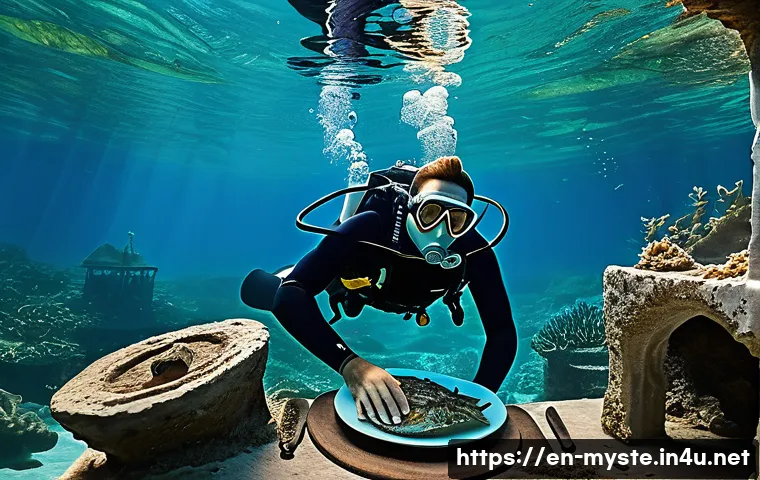
When it comes to submerged treasures, modern underwater archaeology is a marvel. Gone are the days of haphazard dredging. Today’s teams use highly specialized sonar mapping (like side-scan sonar and multi-beam sonar) to create detailed topographical maps of the seafloor, identifying anomalies that could indicate shipwrecks or sunken structures.
Once a target is identified, ROVs equipped with high-definition cameras and manipulators can conduct preliminary investigations without disturbing the site.
For actual excavation, saturation diving allows archaeologists to spend extended periods underwater, working meticulously to uncover and preserve artifacts.
I’ve seen documentaries where they use sediment dredges so gentle they can remove silt without damaging fragile relics. The commitment to scientific rigor and preservation is paramount, ensuring that when treasures are found, they are recovered and studied in a way that respects their historical context.
This meticulous approach has totally revolutionized how we approach sites like Port Royal.
Ground-Penetrating Radar and Remote Sensing
For inland treasures, the game-changer has been ground-penetrating radar (GPR) and other remote sensing techniques. GPR sends electromagnetic pulses into the ground and measures the reflected signals, creating a profile of what lies beneath the surface.
This can help identify anomalies like buried walls, foundations, or even metallic objects, without ever breaking ground. Think about it: no more random digging in pristine jungle!
Other techniques, like magnetometry and electrical resistivity, can detect changes in the earth’s magnetic field or electrical conductivity, pointing to buried structures or disturbances caused by human activity.
I’ve followed stories where these technologies have been instrumental in narrowing down search areas from vast swathes of land to precise spots, saving countless hours and resources.
It’s like having x-ray vision for the earth, giving modern treasure hunters an incredible advantage in solving the mysteries of Jamaica’s hidden land-based riches.
| Treasure Site/Legend | Estimated Value/Significance | Status | Key Figures/History |
|---|---|---|---|
| Port Royal Sunken City | ~ $500 Million (historical artifacts, coins, jewels) | Ongoing archaeological study and recovery | 1692 Earthquake, Buccaneers, Merchants |
| Sir Henry Morgan’s Buried Hoard | Unknown, potentially vast (gold, silver, jewels) | Legendary, highly sought after | Sir Henry Morgan, Welsh Privateer |
| Lost Spanish Gold Mines | Highly speculative, potentially significant (raw gold) | Unconfirmed, subject of historical theories | Spanish Colonists, Indigenous Labor |
| Captain Kidd’s Caribbean Cache | Unknown, likely smaller stashes (coins, jewels) | Legendary, few concrete leads | William Kidd, Scottish Privateer |
Navigating the Legal Tides of Discovery
Alright, let’s talk about something incredibly important that often gets overlooked in the thrill of the hunt: the legal side of treasure discovery. It’s not all Indiana Jones and finding ancient artifacts with no questions asked.
In reality, uncovering something historically significant, or monetarily valuable, involves a complex web of laws, regulations, and international agreements.
Trust me, you don’t want to spend years on an expedition, make an incredible find, only to have it confiscated or get entangled in endless legal battles.
This is where experience truly pays off – knowing the legal landscape *before* you even start digging or diving is paramount. Jamaica, like many other nations with rich maritime histories, has very specific laws regarding cultural heritage and ownership of discovered artifacts.
Ignorance of these laws is absolutely no excuse, and falling afoul of them can lead to severe penalties, not to mention the loss of your amazing find.
It’s a sobering thought, but one that any serious treasure hunter absolutely must take into account.
Understanding Jamaica’s Heritage Laws
Jamaica is incredibly proud of its rich history and cultural heritage, and rightly so. Because of this, the government has enacted strict laws to protect its archaeological and historical sites, both on land and underwater.
Generally speaking, any archaeological discovery is considered the property of the Crown or the people of Jamaica. This means that if you find a shipwreck or a buried hoard, you don’t automatically get to claim it.
Instead, you’re usually required to report it to the relevant authorities, such as the Jamaica National Heritage Trust. There might be provisions for salvage rights or a percentage reward in certain circumstances, but these are often negotiated on a case-by-case basis and require official permits and agreements beforehand.
I’ve seen situations where individuals have tried to bypass these rules, and it never ends well. The best approach is always to seek legal counsel and collaborate with local authorities from the very beginning.
It not only ensures compliance but also often opens doors for legitimate research and respectful recovery.
International Waters and Shared Patrimony
The legal landscape becomes even more complicated when you consider discoveries made in international waters or wrecks that span multiple national jurisdictions.
While much of Jamaica’s treasure lies within its territorial waters, some historical incidents or shipwrecks might fall under broader international maritime law or treaties.
The concept of “shared patrimony” often comes into play, especially with highly significant historical sites, where multiple nations might have a claim or interest in the preservation and study of artifacts.
This is why major treasure hunting operations often involve complex legal teams and negotiations that can span years. It’s a far cry from simply pulling something out of the sand.
For anyone dreaming of the big find, understanding these nuances is critical. It’s a stark reminder that while the adventure is thrilling, the responsible and legal pursuit of treasure is just as important as the discovery itself.
A Personal Take: What Keeps Us Chasing Ghosts
Okay, let’s get a little personal here. Why do *we* do this? Why do we spend countless hours poring over dusty maps, enduring mosquito bites in humid jungles, or braving the depths of the ocean?
For me, it’s not just about the gold and silver, though let’s be honest, that’s a pretty nice bonus! It’s the story. It’s the connection to a past that feels so distant, yet so incredibly vivid when you’re actually touching something from centuries ago.
I’ve felt that chill down my spine more times than I can count, knowing that the coin I’m holding was once gripped by a pirate, or the pottery shard was part of someone’s everyday life in a city now lost.
It’s an almost spiritual experience, a tangible link to history that you just can’t get from a textbook. The lure of the unknown, the intellectual challenge of piecing together clues, and the sheer adrenaline rush when you find even a small artifact – that’s what truly keeps us coming back for more, chasing these elusive ghosts of the past across Jamaica’s stunning landscapes.
The Adrenaline of Discovery
There’s an undeniable rush that comes with the potential for discovery. It’s a feeling that’s hard to describe unless you’ve experienced it yourself. That moment when the sonar picks up an anomaly, or the metal detector gives a strong signal, or when you brush away sediment to reveal something clearly man-made and ancient – it’s pure exhilaration.
Your heart pounds, your mind races, and for that brief instant, you’re connected to something extraordinary. I remember one time, during a particularly frustrating survey, we were about to give up when the dive leader pointed to a faint outline.
It turned out to be the keel of an old longboat, perfectly preserved. That feeling, that blend of triumph and awe, is what hooks you. It’s not just about what you find, but the journey to get there, the meticulous planning, the perseverance, and then, the ultimate reward of a historical revelation.
Connecting with History on a Deeper Level
For me, treasure hunting isn’t just about finding things; it’s about understanding history in a way that goes beyond reading dates and names. When you find an artifact, you’re not just looking at an object; you’re looking at a piece of someone’s life, a fragment of a lost world.
It allows you to ask questions that textbooks can’t answer. Who used this? What were their lives like?
What story does this object tell about the broader human experience? This personal connection, this ability to literally touch history, is what truly differentiates it from any other historical pursuit.
It transforms abstract concepts into tangible realities, making the past incredibly vivid and personal. It’s a privilege, really, to be a part of uncovering these stories and sharing them with the world.
Your Own Quest: Tips for the Aspiring Treasure Hunter
So, after all this talk about hidden gold and sunken cities, are you feeling that itch, that undeniable pull to embark on your own treasure-hunting adventure?
I totally get it! But before you grab a shovel and a dodgy map, let me share some vital tips that I’ve learned (sometimes the hard way!) over the years.
This isn’t just a game of luck; it’s a pursuit that requires preparation, knowledge, and a healthy dose of realistic expectations. My main goal here isn’t just to get you excited, but to equip you with the foundational understanding to approach this fascinating world responsibly and, hopefully, successfully.
Remember, while the stories are romantic, the actual process can be tough, requiring patience and resilience. But with the right mindset and approach, your own journey into Jamaica’s treasure-laden past can be incredibly rewarding.
Research, Research, Research: The Foundation of Success
The most powerful tool in any treasure hunter’s arsenal isn’t a metal detector or an ROV; it’s a library card and a good internet connection. Seriously!
Your quest begins long before you set foot on Jamaican soil. Dive deep into historical archives, old maritime records, colonial documents, and even local folklore.
Look for obscure references to shipwrecks, land transactions, and personal accounts. I’ve found that often, the smallest detail in a dusty old ledger can be the key to unlocking a major mystery.
Pay attention to maps from different eras, noting how coastlines or land features might have changed. Connect with historical societies, universities, and local experts.
The more thoroughly you research, the more precise and effective your physical search will be, saving you immense time and effort in the long run.
Permits, Respect, and Local Collaboration
This is huge, folks, and I can’t stress it enough: always, *always* operate legally and with the utmost respect for local laws, culture, and the environment.
Before you even think about digging or diving, understand Jamaica’s heritage laws and obtain any necessary permits from the relevant authorities, like the Jamaica National Heritage Trust.
Trying to cut corners will only lead to trouble and discredit legitimate treasure hunting efforts. Furthermore, engage with local communities. Their knowledge, passed down through generations, can be invaluable.
Respecting their land, their stories, and their input not only makes your hunt more ethical but can also provide insights you’d never find in a book. Collaboration, rather than confrontation, is key to a successful and respectful treasure hunting experience, ensuring that any discoveries benefit both the discoverer and the nation.
Wrapping Up Our Treasure Journey
Wow, what an adventure we’ve been on together, delving into the tantalizing secrets of Jamaica’s hidden treasures! From the sunken depths of Port Royal to the whispered legends in the island’s lush interior, it’s clear that this jewel of the Caribbean holds more stories and riches than we can possibly imagine.
This journey is more than just about finding shiny objects; it’s about connecting with a vibrant, often turbulent, past and feeling the pulse of history beneath your fingertips.
I truly hope this deep dive has ignited that spark of discovery in you, reminding you that the greatest treasures are often the knowledge and experiences we gain along the way.
Good to Know Before You Go
1. Respect Local Laws and Heritage: Seriously, this is paramount. Jamaica has stringent laws protecting its cultural heritage, both on land and underwater. Always obtain the necessary permits from authorities like the Jamaica National Heritage Trust before commencing any search or excavation. Operating without permission is not only illegal but can severely damage historical sites and land you in serious trouble. The best practice is always to collaborate with local experts and institutions to ensure your quest is both ethical and legal.
2. Safety First, Always: Jamaica’s interior can be rugged, and its waters can be unpredictable. If you’re heading off the beaten path, whether diving or hiking, ensure you have appropriate gear, a reliable team, and a clear understanding of the environment. Inform someone of your plans, carry communication devices, and be prepared for changing conditions. Trust me, a treasure hunt is only fun if everyone comes home safe and sound.
3. Leverage Technology Wisely: While old maps and folklore are incredible, modern technology like side-scan sonar, GPR, and even drones can significantly enhance your chances of success and reduce environmental impact. Invest in learning how to use these tools effectively or partner with those who have the expertise. It’s about working smarter, not just harder, in the pursuit of those elusive finds.
4. Embrace the Research: I cannot stress this enough: your journey begins in the archives, not necessarily in the field. Spend countless hours researching historical documents, old shipping manifests, newspaper clippings, and local community histories. The more you know about the who, what, when, and where, the more targeted and efficient your physical search will be. Sometimes, the ‘X’ on the map is found in an obscure footnote!
5. Connect with the Community: The local Jamaican communities often hold generations of oral history and knowledge that can be invaluable. Engage respectfully with residents, listen to their stories, and explain your intentions. Their insights might lead you to forgotten paths or provide crucial context that no book can offer. Building trust and fostering collaboration can open doors and enrich your experience in ways you can’t imagine, making your adventure far more meaningful than just the find itself.
Your Essential Takeaways for the Hunt
So, as we wrap up our deep dive into Jamaica’s captivating world of hidden treasures, remember this: the true spirit of the hunt lies in a blend of meticulous preparation, unwavering respect for history and local culture, and an insatiable curiosity.
It’s about embracing the journey, understanding the intricate legal landscape, and knowing that every shard of pottery, every rusted coin, tells a story far richer than its monetary value.
Whether you’re chasing pirate gold or uncovering ancient artifacts, let your passion be guided by responsibility and a genuine desire to connect with the past.
The thrill of discovery is real, but the lasting impact of a respectful, well-researched, and legally compliant search is what truly defines a successful treasure hunter.
Always remember that the ultimate reward is often the profound connection to history you forge along the way, making every moment of the quest incredibly worthwhile.
Frequently Asked Questions (FAQ) 📖
Q: The “Jamaica Treasure Hunter Incident” sounds like something out of a movie! What exactly are we talking about here, and why is it still such a big deal?
A: I’ve always been fascinated by how real-life history can be wilder than any fiction, and the “Jamaica Treasure Hunter Incident” is the perfect example!
From what I’ve seen in countless historical documents and even talked about with folks who’ve been on these expeditions, it’s not a single event, but rather an ongoing saga of exploration.
It all really kicked off with the catastrophic Port Royal earthquake of 1692. Imagine, an entire city, once known as the “Wickedest City on Earth” for its immense wealth and debauchery, literally swallowed by the sea in minutes!
What got submerged wasn’t just buildings, but an incredible amount of gold, silver, jewels, and trade goods. We’re talking about an estimated $500 million in modern-day value that just vanished beneath the waves.
But it’s not just Port Royal; the incident also encompasses the hidden caches of notorious buccaneers like Sir Henry Morgan, who were known to bury their loot all across the island.
The “Incident” is essentially the collective, relentless pursuit of these lost fortunes, fueled by historical accounts, old maps, and even modern-day technological advancements.
It’s still a big deal because, unlike many legends, there’s tangible proof that the treasure exists, and fragments of it are still being discovered, keeping the dream alive for new generations of adventurers!
Q: So, if I wanted to try my hand at treasure hunting in Jamaica, where would I even begin?
A: re there specific spots people are still searching today? A2: Oh, trust me, I’ve asked myself that very question more times than I can count! If you’re serious about joining the hunt, you absolutely have to start with Port Royal.
It’s the grand prize, the holy grail, if you will. The sunken city holds the vast majority of documented wealth. Modern underwater archaeology is constantly making strides there, and incredible artifacts (and some treasure!) have already been recovered.
Beyond Port Royal, you’d want to research areas historically linked to famous pirates. Think about places like Runaway Bay, which was a known hideout, or even some of the smaller, less accessible cays and inlets around the island.
Pirate maps, old wills, and historical testimonies often hint at specific burial sites. My personal take? It’s not just about luck; it’s about meticulous research, having the right equipment – whether it’s a good metal detector for land or advanced sonar for the sea – and sometimes, honestly, a bit of that adventurous spirit to explore remote areas.
Just remember, responsible and legal treasure hunting is key! Always check local regulations and consider joining reputable archaeological or expedition teams.
Q: We hear a lot about pirate legends, especially Sir Henry Morgan. Is there any real proof that his treasure, or any massive pirate hoards, are still out there waiting to be found in Jamaica?
A: This is one of my absolute favorite questions because it blends legend with tantalizing reality! Sir Henry Morgan, the legendary privateer-turned-lieutenant governor, definitely accumulated an astonishing amount of wealth during his swashbuckling career.
While much of his loot would have been spent or reinvested, the sheer scale of his operations suggests secret stashes are entirely plausible. We have historical records of other pirates burying treasure, and it stands to reason Morgan, being one of the most successful, would have done the same.
Although a single massive chest labeled “Morgan’s Gold” hasn’t been unearthed (yet!), numerous gold coins, silver pieces of eight, and valuable artifacts from that era have been found across Jamaica and its surrounding waters.
These discoveries, often made by chance or through dedicated exploration, lend immense credibility to the idea that significant pirate hoards still exist.
Think about it, the ocean is a massive hiding place, and the land, with its caves and remote areas, is just as secretive. So, yes, based on consistent historical accounts and actual finds, I firmly believe there’s more than enough real proof to keep the dream alive.
It’s not just a fairy tale; it’s a very real possibility that fortunes from those wild days are still out there, waiting for the right person to stumble upon them!