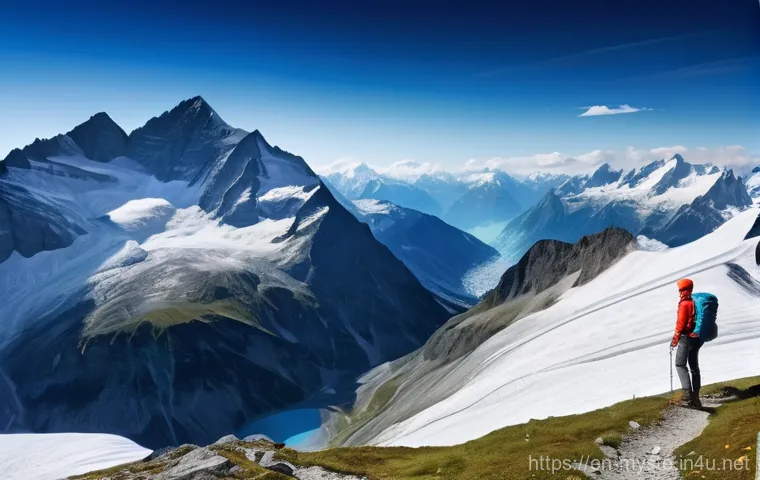
The majestic Swiss Alps, with their breathtaking peaks and serene valleys, beckon adventurers and dreamers from every corner of the globe, promising unparalleled beauty and experiences that etch themselves into your very soul.
Yet, beneath that stunning, picture-postcard facade lies an untamed, formidable wilderness, one that holds both immense wonder and chilling, untold mysteries.
I’ve personally always been captivated by tales of resilience against nature’s raw power, and the frequent stories of individuals vanishing without a trace amidst these very mountains send a genuine shiver down my spine.
It makes you wonder, doesn’t it, what truly happens when someone disappears into that vast, unforgiving landscape? From sudden, white-out blizzards to treacherous, hidden crevasses, or perhaps even something far more sinister that eludes conventional explanation, these disappearances leave families in anguish and seasoned investigators utterly baffled.
The sheer thought of loved ones simply disappearing into thin air, leaving no discernible trace, makes us all ponder the hidden dangers and the silent, unresolved stories these ancient peaks guard so fiercely.
Let’s peel back the layers and uncover the gripping truths behind the enigmatic missing person cases of the Swiss Alps.
The Swiss Alps: a postcard-perfect dream, right? Majestic peaks, pristine snow, the kind of breathtaking vistas that make your soul sing. I’ve seen them countless times, and every single time, I’m utterly mesmerized.
But beneath that stunning beauty, there’s a raw, formidable wilderness that truly holds its own secrets. It’s a place where wonder and chilling mysteries intertwine, a reality I’ve felt in my bones ever since I started hearing about people vanishing without a trace amidst those towering giants.
There’s this gnawing question that always lingers: what truly happens when someone disappears into that vast, unforgiving landscape? Is it a sudden, white-out blizzard, a hidden crevasse swallowing them whole, or something far more perplexing?
These unresolved stories, guarded fiercely by ancient peaks, leave families in anguish and seasoned investigators utterly baffled. I mean, the thought of someone just… disappearing into thin air?
It sends a genuine shiver down my spine.
The Mountains’ Deceptive Embrace
Beyond the Picture Postcard: The Reality of Alpine Terrain
You know, it’s easy to get caught up in the romantic notion of the Swiss Alps, isn’t it? We see those stunning photos, the perfectly groomed slopes, the cozy chalets, and we imagine a wonderland.
But my friends, the reality on the ground, or rather, on the mountains, can be starkly different. I’ve personally experienced how quickly the weather can turn, even on a seemingly clear day.
One minute you’re basking in glorious sunshine, the next, a thick fog rolls in, or a sudden squall descends, reducing visibility to mere feet and making familiar paths disappear.
It’s truly disorienting. Many trails, despite being marked, can be far more challenging than their classifications suggest, especially for those not accustomed to alpine conditions.
What might be considered an “easy” path by a seasoned Swiss local, who’s been hiking these mountains since childhood, could be a strenuous, even dangerous, undertaking for a tourist.
This mismatch in expectations is a silent danger, often leading to hikers venturing onto terrain they’re simply not equipped for, physically or mentally.
It’s why I always emphasize doing your homework and honestly assessing your own capabilities, rather than just trusting a trail sign or what you see on social media.
The Silent Perils: Crevasses, Avalanches, and Rockfalls
The Alps, for all their grandeur, are a master of disguise when it comes to danger. It’s not always the dramatic cliff edges that get people, but the hidden threats lying in wait.
Crevasses, those deep, often snow-covered cracks in glaciers, are particularly treacherous. You can be walking along, feeling confident, and then *poof*, the ground beneath you gives way.
I’ve heard too many heartbreaking stories of individuals simply vanishing into these icy jaws, sometimes without a sound. Avalanches, too, are an ever-present threat, especially with unpredictable weather patterns.
They can sweep away everything in their path in a matter of seconds, leaving behind a chaotic scene of ice, rock, and debris. And let’s not forget rockfalls and landslides, which can occur without warning, especially after periods of heavy rain or thawing.
It’s a stark reminder that even on well-trodden paths, the mountain is constantly shifting, and what was safe one day might be a hazard the next. It’s this unpredictable, untamed nature that keeps search and rescue teams on constant alert, and frankly, keeps me humbled every time I step foot in these magnificent, yet formidable, peaks.
Whispers in the Wind: The Stories of the Vanished
Decades of Disappearance: Unearthing the Past
The Swiss Alps hold more than just breathtaking beauty; they hold decades, even centuries, of human stories, some tragically cut short. What really gives me pause is thinking about all those individuals who simply disappeared, their fates unknown for so long.
But with the changing climate, something truly astounding, and often heartbreaking, has been happening: the glaciers are melting at an accelerated rate, and with their retreat, they’re revealing long-held secrets.
We’re talking about bodies of climbers and hikers who vanished 30, 50, even 75 years ago, now emerging from their icy tombs. I remember reading about a Swiss couple, Marcelin and Francine Dumoulin, who disappeared in 1942 while going to milk their cows.
Their remains were found 75 years later in 2017, perfectly preserved in a shrinking glacier. Can you imagine the bittersweet relief their family must have felt, finally getting answers after so many decades of uncertainty?
It’s a stark, almost poetic, illustration of the mountains giving back what they’ve held captive for so long, and it really underscores the scale of time and the power of nature.
Notable Cases and Their Unsettling Revelations
When you dig into the history of disappearances in the Alps, you find a collection of cases that truly haunt you. These aren’t just statistics; they are real people with families who loved them, and their stories are a powerful reminder of the mountains’ indifference.
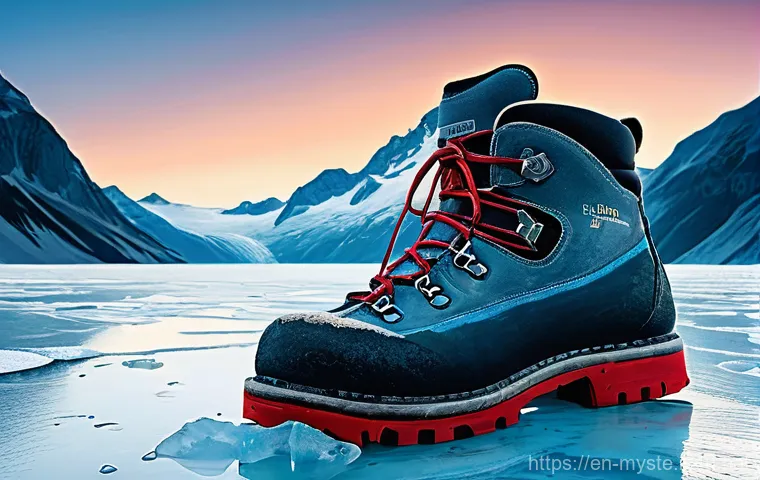
The discovery of a German hiker in 2023, missing since 1986, found near the Matterhorn glacier, really struck me. His boot, with red laces, poking out of the ice, was a vivid image.
It makes you think about those last moments, the unexpected turn that led to their disappearance. Another case that sticks with me is that of Jonathan Conville, a British climber who vanished in 1979 on the Matterhorn, whose remains were found in 2013 by a mountain rescue helicopter pilot.
The Alps seem to claim their own, and for years, they hold onto them. But now, with global warming accelerating glacial melt, police in regions like Valais anticipate that many more such cases will finally find resolution.
It’s a strange and unsettling phenomenon, a morbid consequence of climate change, but one that offers a glimmer of closure to families who have lived in limbo for generations.
The Human Element: Overconfidence and Underestimation
The Illusion of Safety: When Experience Fails
It’s a common misconception that only inexperienced hikers fall victim to the mountains. From what I’ve observed and read, even seasoned adventurers can find themselves in precarious situations.
Overconfidence can be a silent killer, blurring the line between calculated risk and reckless abandon. I’ve known people who, after years of successful climbs, felt they could push just a little further, ignore a slight change in weather, or take a shortcut.
And sometimes, that’s all it takes. The Alpine environment demands constant respect and vigilance, no matter how many summits you’ve conquered. It’s a place where a momentary lapse in judgment, an underestimated patch of ice, or a sudden, unexpected weather shift can have catastrophic consequences.
It’s a sobering thought, reminding us that the mountains don’t care about your resume; they only respond to the conditions of the moment.
The Dangers of Ill-Preparedness: A Common Thread
Beyond overconfidence, a recurring theme in many disappearance stories is a shocking lack of preparation. I’m talking about people venturing into the high Alps wearing flimsy sneakers instead of sturdy hiking boots, carrying insufficient water and food, or completely ignoring essential safety gear.
It sounds unbelievable, I know, but it happens more often than you’d think. I’ve personally seen tourists heading up challenging trails with what looks like a city bag, completely oblivious to the sudden temperature drops or the need for navigation tools.
The mountains are not a theme park; they are an unpredictable ecosystem. While Swiss trails are generally well-maintained, their difficulty classifications are often based on local standards, which can be significantly more demanding than what many international visitors are used to.
This is why resources like the “10 essentials” for hiking are so crucial. It’s not about being overly cautious; it’s about respecting the environment and ensuring you have the basics to survive an unexpected turn of events.
Your life, or the life of someone you love, could depend on it.
Search and Rescue: A Race Against Time and Terrain
The Heroic Efforts of Alpine Rescue Teams
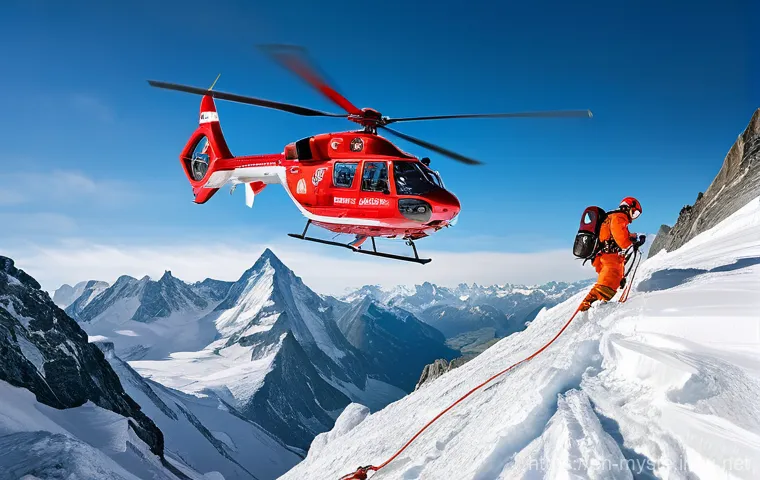
My heart goes out to the incredible men and women of the Swiss Alpine rescue services, like Air Zermatt. These are not just professionals; they’re often locals who know these mountains like the back of their hand, yet they face unimaginable challenges.
I’ve seen them in action, battling ferocious winds, white-out conditions, and treacherous terrain, all in a desperate race against time. When someone goes missing, every single minute counts, and these teams pour every ounce of their expertise and courage into the search.
Helicopters, search dogs, thermal imaging drones, ground teams – they mobilize every resource available. But even with all their advanced technology and sheer bravery, the mountains often conspire against them.
Avalanches can make areas inaccessible, storms can ground helicopters, and the sheer vastness of the landscape can swallow a person whole, leaving little to no trace.
It’s a truly humbling experience to witness their dedication, knowing they’re literally putting their lives on the line for strangers.
The Grim Reality of Survival Odds
It’s a tough truth, but the longer someone is missing in the Alps, the slimmer the chances of a successful rescue. The conditions are brutal; hypothermia, injuries, and sheer exhaustion can set in rapidly.
While some studies suggest a relatively high survival rate (around 76%) for lost adult hikers found within 24 hours in temperate mountain areas, the Swiss Alps present unique, extreme challenges that can drastically reduce these odds.
I recall a case where a 19-year-old American student disappeared while skiing and was found alive after 48 hours, suffering from hypothermia, which was considered nothing short of miraculous.
These stories are rare triumphs against overwhelming odds. The reality is that if you fall into a crevasse, are buried by an avalanche, or simply get lost and exposed to the elements without proper gear, the window for survival closes incredibly fast.
It emphasizes why prevention and preparedness are so vital, because once the mountain takes hold, even the most heroic rescue efforts can be too late.
The Lingering Shadow: Ambiguous Loss and Family Impact
Living with Unanswered Questions: The Emotional Toll
This is where the true human tragedy of Alpine disappearances lies, in the lives of those left behind. Imagine not knowing what happened to your loved one, that endless loop of “what if” playing in your mind, day after day, year after year.
It’s a unique and devastating form of grief known as “ambiguous loss,” where there’s no body, no funeral, no closure. I can only try to fathom the emotional rollercoaster these families endure – oscillating between a desperate hope that their loved one is still out there, perhaps injured but alive, and the crushing despair of facing the worst.
This chronic stress and uncertainty can lead to profound psychological consequences, including PTSD, depression, and severe, persistent grief that psychologists call “complicated grief disorder.” It affects everything: mental and physical health, relationships, and the ability to find peace.
The story of Marceline Udry-Dumoulin, the daughter of the couple found after 75 years, who expressed immense relief, really hit home. That’s decades of a life lived with an open wound, finally getting to heal.
The Weight of Uncertainty: A Lifetime of Searching
For many families, the search never truly ends. Even after official rescue operations are called off, the quest for answers often continues for a lifetime.
I’ve heard stories of families revisiting the mountains year after year, hoping for a sign, a piece of clothing, anything that might offer a clue. This relentless search, often fueled by a glimmer of hope, becomes a central, defining part of their lives.
It’s not just an emotional burden; it can be incredibly taxing practically and financially, involving private investigators, travel, and constant engagement with authorities.
The lack of control and the absence of a definitive ending mean that grieving is constantly interrupted, never truly beginning or concluding. This kind of loss profoundly impacts family dynamics, sometimes leading to isolation, and leaving deep, lasting scars.
It’s a powerful reminder that while the mountains might move on, the human heart grapples with these disappearances for generations.
| Category | Specific Danger/Factor | Impact on Disappearances |
|---|---|---|
| Environmental | Sudden Weather Changes (Blizzards, Fog) | Rapid reduction in visibility, disorientation, hypothermia risk. |
| Environmental | Crevasses and Glacial Ice | Hidden traps, often snow-covered, leading to falls and burial. |
| Environmental | Avalanches and Rockfalls | Sudden, devastating forces causing injury, burial, or being swept away. |
| Human Error | Underestimation of Trail Difficulty | Choosing paths beyond skill level, leading to falls or getting stuck. |
| Human Error | Inadequate Equipment/Preparation | Lack of proper footwear, clothing, navigation tools, increasing vulnerability to elements and accidents. |
| Human Error | Venturing Off Designated Trails | Increased risk of slips, falls, and getting lost in unfamiliar, more dangerous terrain. |
Modern Tech vs. Ancient Mysteries: The Limits of Investigation
The Promise of Technology in Search Efforts
In our modern world, we often hope that technology holds all the answers, especially when it comes to mysteries like missing persons. And it’s true, technology has come a long way in aiding search and rescue efforts in the Alps.
I’ve seen firsthand how thermal drones can scan vast, inaccessible areas for heat signatures, and how sophisticated telecommunication equipment helps pinpoint distress signals.
DNA analysis, too, has been a game-changer, providing definitive identification for remains found decades later, bringing long-awaited closure to families.
There’s even talk of glacier simulations, using computer models to predict where bodies might emerge based on ice flow, which is truly incredible to think about.
These advancements offer a beacon of hope, making searches more efficient and increasing the chances of finding individuals, whether alive or to bring their remains home.
It’s an ongoing evolution, and every new piece of tech gives rescuers a slightly better edge against the formidable power of the mountains.
When the Mountain Holds Its Secrets Tight
But even with all our technological prowess, there are still times when the Swiss Alps stubbornly refuse to give up their secrets. The sheer scale and complexity of the terrain can overwhelm even the most advanced tools.
Imagine trying to find a single person in an area of thousands of square kilometers, riddled with hidden crevasses, dense forests, and shifting ice. The weather, too, remains an untamed force, grounding helicopters and making drone operations impossible during critical hours.
And then there are those cases where, despite exhaustive searches and the passage of decades, no trace is ever found. These are the cases that truly baffle investigators and leave families in an eternal state of “ambiguous loss.” The mountain, in its quiet, majestic way, simply reclaims what it deems its own.
It’s a stark, humbling reminder that for all our ingenuity, there are some mysteries that nature intends to keep, perhaps forever.
Preparing for the Unforeseen: Essential Alpine Safety Tips
Mindset and Physical Readiness: Your First Defense
Before you even think about setting foot on an Alpine trail, your preparedness starts long before you reach the trailhead. I can’t stress this enough: your mindset and physical condition are your absolute first line of defense.
The Alps are not a casual stroll in the park. You need to be genuinely fit, with good stamina and a decent head for heights, because even “easy” trails can be exposed or involve significant ascents and descents.
I personally make sure I’m doing regular cardio and strength training months before any serious trek. More than just physical, it’s about mental fortitude – being able to stay calm under pressure, make rational decisions when tired, and adapt when plans go awry.
You need to respect the mountain, understand its power, and never underestimate its potential to throw a curveball. A positive, cautious attitude, combined with honest self-assessment of your capabilities, will serve you far better than bravado.
Gear Up Smart: The Non-Negotiables for Alpine Adventures
Okay, so you’re physically and mentally ready – fantastic! Now, let’s talk gear, because this is where many people fall short, often with dire consequences.
You absolutely *must* have the right equipment, and I mean *non-negotiable* essentials. Sturdy, waterproof hiking boots with good ankle support are paramount; I’ve seen too many people in flimsy trainers end up injured or worse.
Layered clothing is crucial, even in summer, because temperatures can plummet rapidly. Always carry rain gear, even if the forecast is sunny – mountain weather is notoriously fickle.
Beyond that, a well-stocked first-aid kit, a reliable map and compass (and know how to use them, even if you have GPS), sufficient water and high-energy snacks, a headlamp, sun protection, and a fully charged phone with a portable charger are absolute must-haves.
A personal Locator Beacon (PLB) can literally be a lifesaver in remote areas. Remember, you’re responsible for your own safety, so pack smart, prepare for the worst, and hope for the best.
Don’t be that person who learns the hard way.
The Future of Alpine Exploration and Disappearances
Climate Change and the Shifting Landscape
It’s impossible to talk about the future of the Swiss Alps and missing persons without addressing the elephant in the room: climate change. I’ve personally witnessed the dramatic changes to glaciers over my lifetime, and the science is clear – they are melting at an alarming, unprecedented rate.
This isn’t just an environmental concern; it has direct implications for mountain safety. As glaciers recede, they become more unstable, leading to increased rockfalls, landslides, and the opening of new, dangerous crevasses that weren’t there before.
The terrain is literally shifting beneath our feet, making traditional routes more hazardous and unpredictable. The melting ice is, as we’ve discussed, revealing remains of those lost decades ago, providing some closure but also highlighting the scale of past disappearances and the dynamic nature of these ancient ice giants.
It’s a stark reminder that the mountains are not static, and our approach to exploring them needs to adapt just as quickly as the landscape itself.
Embracing Responsibility: Sustainable and Safe Adventures
So, what does this mean for us, the adventurers and admirers of the Alps? It means we need to embrace a heightened sense of responsibility. It’s not just about personal safety anymore; it’s about being aware of our impact and adapting to a changing environment.
This translates to supporting sustainable tourism, educating ourselves even more thoroughly about conditions, and always, *always* prioritizing safety over ambition.
This might mean hiring local guides who have an intimate understanding of current conditions, choosing less aggressive routes, and being prepared to turn back when conditions are unfavorable.
It also means advocating for climate action, because ultimately, the health and stability of these magnificent mountains, and the safety of those who venture into them, are intertwined with the health of our planet.
The Alps will always beckon, but how we answer that call, with respect, preparedness, and a deep understanding of their evolving nature, will define the future of exploration here.
글을 마치며
Venturing into the Swiss Alps is truly an experience of a lifetime, a journey into unparalleled beauty that stays with you long after you’ve descended. But as I’ve shared, beneath that breathtaking facade lies an untamed wilderness that demands our utmost respect and preparedness. The stories of those who have vanished, whether found decades later or still held in the mountains’ embrace, serve as poignant reminders of nature’s formidable power and our own vulnerabilities. It’s a delicate balance, this dance between awe and caution, but one that makes every summit, every view, and every safe return all the more profound.
알아두면 쓸모 있는 정보
1. Plan Your Route Meticulously: Never underestimate the Alpine terrain. Always research your chosen trail thoroughly, understanding its difficulty, elevation changes, and typical weather patterns for the season. Look for recent trail reports and consult with local tourism offices or experienced guides. Over-reliance on generic maps or online descriptions can be misleading.
2. Pack the Right Gear, No Exceptions: Your equipment is your lifeline. This includes sturdy, waterproof hiking boots, layered clothing suitable for drastic temperature changes, effective rain gear, a detailed physical map and compass (and the knowledge to use them), a GPS device, a fully charged phone with a power bank, a headlamp, sun protection, a comprehensive first-aid kit, and ample water and high-energy snacks.
3. Check the Forecast and Local Conditions: Mountain weather is incredibly fickle and can change in minutes. Always check the very latest local weather forecast before heading out, and be aware of any avalanche warnings, rockfall risks, or other advisories. If the forecast looks iffy, err on the side of caution and postpone your trip – no view is worth your life.
4. Inform Someone of Your Plans: This is a golden rule for any outdoor adventure. Tell a trusted friend, family member, or your accommodation host exactly where you are going, your planned route, and your estimated return time. If your plans change, let them know. This simple step can be crucial for initiating a search if something goes wrong.
5. Know Your Limits and Be Willing to Turn Back: Ego has no place in the mountains. Honestly assess your own physical fitness and experience. If you encounter difficult conditions, feel unwell, or simply have a bad feeling, do not hesitate to turn back. Reaching the summit isn’t the only goal; a safe return is always the priority.
중요 사항 정리
The Swiss Alps are a realm of breathtaking beauty and profound danger. Respecting the environment, preparing diligently, and understanding your personal limits are paramount for a safe and unforgettable adventure. The mountains will always hold some secrets, but with knowledge and caution, you can minimize the risks and embrace their majestic grandeur responsibly.
Frequently Asked Questions (FAQ) 📖
Q: What are the most common and heartbreaking reasons people simply vanish into the vastness of the Swiss
A: lps, leaving behind so many unanswered questions? A1: From what I’ve seen and heard, the most frequent culprits behind these heartbreaking disappearances are often a cruel mix of sudden, unpredictable weather shifts, the sheer treachery of the terrain, and sometimes, sadly, a touch of human overconfidence.
I mean, one minute you’re basking in glorious sunshine, and the next, a white-out blizzard can descend, making visibility zero in a matter of minutes.
It’s like the mountain just swallows you whole. Then there’s the terrain itself – hidden crevasses that look like harmless snow patches, dizzying drops just off a seemingly clear path, and unexpected rockfalls.
I personally remember a story about a seasoned hiker who just took one wrong step on what they thought was a safe ridge, and that was it. It truly hits you how quickly things can go wrong even for the most experienced.
Sometimes, people underestimate the mountains, maybe they don’t check the forecast properly, or they stray from marked trails thinking they know best.
The Alps are beautiful, yes, but they demand respect, and when that respect isn’t given, or when nature simply decides to unleash its raw power, the consequences can be devastating and, all too often, permanent.
It’s those sudden, silent changes that really send a shiver down my spine.
Q: When someone goes missing in such an immense and unforgiving landscape, what kind of efforts are truly made to find them, and what makes these searches so incredibly difficult?
A: Oh, the efforts that go into finding someone lost in the Alps are nothing short of heroic, but let me tell you, they face unimaginable challenges. As soon as a disappearance is reported, local police and mountain rescue teams spring into action, often within minutes.
We’re talking about highly specialized professionals, many of whom are volunteers, who literally risk their own lives. They deploy everything from advanced helicopters with thermal imaging to incredibly skilled search dogs and expert climbers.
I’ve always been so impressed by their dedication; they work tirelessly, often in horrendous conditions. But imagine trying to find a single person in a wilderness that spans thousands of square miles, with terrain ranging from dense forests to jagged peaks and deep glaciers.
Weather can ground helicopters, fresh snowfall can bury any tracks, and the sheer scale of the search area is just mind-boggling. Time is always the enemy, too.
Every hour that passes reduces the chances of survival, especially in the cold. It’s like searching for a needle in a thousand haystacks, all while the haystacks are moving and trying to defeat you.
The emotional toll on the searchers and the families waiting is something I can only begin to comprehend.
Q: Are all disappearances in the Swiss
A: lps eventually explained by natural causes, or are there truly some cases that remain utterly baffling and mysterious? A3: This is the question that always gnaws at the back of my mind, isn’t it?
While most disappearances, tragically, do eventually find a logical, albeit heartbreaking, explanation – an accidental fall, hypothermia, getting caught in an avalanche – there are indeed cases that genuinely defy conventional understanding.
For the majority, the mountains claim their victims through clear, albeit brutal, means. However, the Alps have this eerie way of sometimes simply erasing people.
No trace, no equipment, no sign of struggle, just gone. It’s not about conspiracies or anything outlandish, but rather the sheer, formidable power of the environment to consume evidence.
Glaciers can move and bury things for decades, rockfalls can obliterate entire paths, and avalanches can completely re-sculpt a landscape. I’ve read about cases where search teams have scoured an area for weeks, only for nothing to turn up, leaving families with an agony of unresolved questions that last a lifetime.
It’s these truly unexplained vanishings, where the mountains seem to hold their secrets tight, that make you really ponder the vast, silent mysteries nestled amongst those ancient, majestic peaks.
It makes you wonder what else those mountains have seen and held onto.